

Melanin is the pigment responsible for skin colour. Sometimes, it becomes concentrated in specific areas of the skin, leading to Sunspots or Freckles.
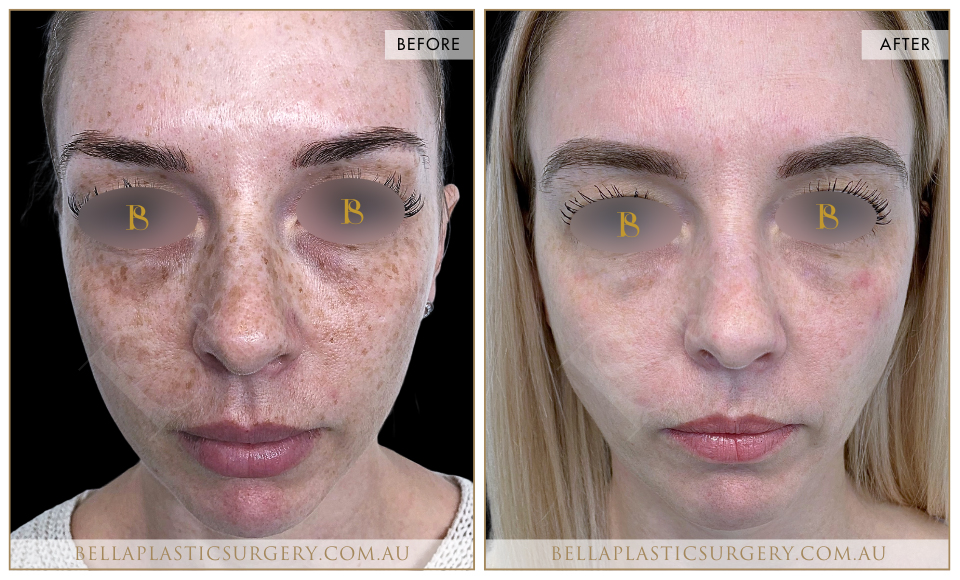
- Freckles – are usually small, light to medium brown spots that can darken with sun exposure.
- Sunspots – are usually larger and can develop gradually over time due to ongoing sun exposure. They are sometimes called age spots or solar lentigines.
Freckles and Sunspots usually appear on areas of our body exposed to UV light, including our face, chest, hands and shoulders. Some people develop more of these marks than others, with ageing, genetics and sun exposure all contributing to their presence.
Melanin is the pigment responsible for skin colour. Sometimes, it becomes concentrated in specific areas of the skin, leading to Sunspots or Freckles.
- Freckles – are usually small, light to medium brown spots that can darken with sun exposure.
- Sunspots – are usually larger and can develop gradually over time due to ongoing sun exposure. They are sometimes called age spots or solar lentigines.
Freckles and Sunspots usually appear on areas of our body exposed to UV light, including our face, chest, hands and shoulders. Some people develop more of these marks than others, with ageing, genetics and sun exposure all contributing to their presence.
Laser Treatment
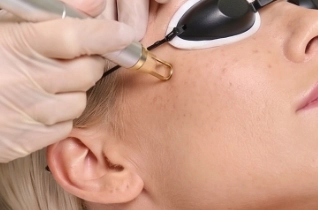
Laser treatment is often used to target Freckles and Sunspots. It is typically designed to be used on superficial pigment that we can easily see and that is accessible to the Laser device.
During treatment, controlled energy is delivered to the pigmented area. The melanin in the spot absorbs this energy, causing the pigment to fragment. Over time, the body’s immune system gradually clears the fragmented pigment, which can minimise the visibility of the spot.
At Bella Plastic Surgery, we use a Laser device with a fine treatment tip. This allows the treating cosmetic nurse to focus on specific areas of pigmentation while minimising exposure to surrounding skin.
Treatments Required:
Some Freckles and Sunspots may become less visible after one treatment. However, other areas may require several treatments, depending on factors that include:
- the depth of pigmentation
- the number of pigmented spots
- skin type
- individual healing response
Additional treatment may be recommended when pigmented areas remain visible or new spots develop due to ongoing sun exposure.
Skin Quality & Rejuvenation:
In addition to addressing pigmentation concerns, some Lasers also stimulate the skin’s natural repair processes. This can support collagen production, leading to gradual changes in skin tone and texture. Skin rejuvenation is gradual and requires multiple treatments, depending on individual skin goals.
Comfort during Treatment
Laser treatment for Sunspots and Freckles is usually well tolerated. There may be temporary discomfort, which is often described as a brief stinging or warming sensation. When appropriate, we will apply a topical anaesthetic to the treatment area before treatment to make your treatment more comfortable.
Cost
The cost of Laser Sunspot and Freckle Removal depends on the size and location of the treated area, the number of spots being treated, the amount of pigmentation and the number of sessions required.
Each treatment plan is individualised. All patients will receive an accurate costing following an initial consultation, during which the treatment area will be assessed and a personalised treatment plan discussed.
Cost
The cost of Laser Sunspot and Freckle Removal depends on the size and location of the treated area, the number of spots being treated, the amount of pigmentation and the number of sessions required.
Each treatment plan is individualised. All patients will receive an accurate costing following an initial consultation, during which the treatment area will be assessed and a personalised treatment plan discussed.
Recovery & After-Care
Every individual’s healing timeline after Laser treatment is unique and may depend on factors such as the number of areas treated, skin type and the body’s natural healing response.
Your treating cosmetic nurse will give you guidance on appropriate after-care based on the procedure you’ve had and how your skin is responding. You’ll also be given a written after-care information sheet explaining how to care for the treated area while healing.
In some instances, you may be asked to return to the clinic around 3 to 4 days after treatment for a Light Emitting Diode (LED) session. During this time, your treating nurse can assess your skin and determine whether further LED sessions may be appropriate.
Make-up can be applied to the skin once the treated area has settled. Your treating nurse will recommend suitable products for your healing phase.
You may be recommended topical products, where appropriate, to help maintain the skin barrier and support the skin during recovery.
If you experience unexpected symptoms or have any concerns after your treatment, please get in touch with the clinic for advice or to arrange a review appointment.
