

Rosacea typically affects the central areas of the face and is associated with increased blood flow and changes in the skin’s small blood vessels. The presentation and severity of Rosacea vary between individuals. Symptoms can fluctuate and can be influenced by lifestyle triggers, individual sensitivity and environmental factors.
Common Rosacea symptoms include:
- skin sensitivity or flushing
- persistent facial redness
- small red bumps that resemble acne
- visible or dilated blood vessels
- enlarged pores
Rosacea Triggers
Various factors can trigger a Rosacea flare-up, which is often due to increased blood flow or skin inflammation.
Common triggers include:
- alcohol consumption
- exercise
- sun exposure
- temperature changes
- hot beverages or spicy foods
- emotional stress
- hormonal fluctuations
Rosacea cannot be cured, but it can be managed. Therefore, we encourage individuals to identify and manage their personal triggers to help control their Rosacea symptoms.
Rosacea Treatment Options
Treatment for Rosacea focuses on ongoing symptom management, maintaining overall skin health and reducing visible redness.
Managing Rosacea often involves a combination of treatments designed to minimise redness and support skin health.
Treatment approaches can include:
- Medical-grade skin care products
- Laser therapy
- Skin Needling
- Light- Emitting Diode (LED) therapy
Every individual’s treatment plan is unique and depends on factors such as personal skin characteristics, the presence of visible vessels and the severity of redness.
Laser Treatment For Rosacea
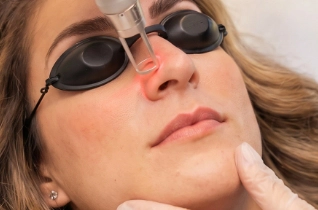
Laser treatment can target the visible superficial blood vessels associated with Rosacea. The Laser device delivers controlled energy to the vessel, which is converted into heat. This causes the vessel walls to coagulate, reducing blood flow within the vessel.
Over time, the body gradually reabsorbs the treated vessels, which can help minimise redness. At Bella Plastic Surgery, our treating cosmetic nurses use a device with a fine treatment tip. This allows them to focus on individual visible vessels where appropriate.
While Laser treatment can address superficial blood vessels that are clearly visible (and accessible to the Laser), it may not be effective in targeting deeper vascular changes associated with Rosacea.
Skin Needling (Adjunct Treatment)
In some cases, we may recommend skin needling as an adjunct treatment following Laser therapy. Skin Needling creates controlled microinjuries that stimulate the skin’s natural repair processes. While healing, the body produces collagen and other components involved in tissue repair, which can help address overall skin texture.
Skin needling can also help minimise the appearance of enlarged pores and encourage a more even skin tone.
LED Therapy & Skin Care Support
Light-Emitting Diode (LED) therapy can be used for Rosacea to help manage inflammation and support skin recovery. It can help calm the skin and support recovery after other procedures. A non-invasive light-based treatment, LED therapy delivers a specific wavelength of light to the skin, which interacts with cells responsible for the skin’s healing processes.
Medical-Grade Skincare
Medical-Grade Skincare may be included in Rosacea management to help maintain the skin barrier and provide nutrients essential to skin function.
Some formulations include beeswax, valued for its protective and soothing qualities. Beeswax can help retain moisture and create a protective layer over sensitive skin.
These products may also contain amino acids, which play a key role in the production of structural proteins such as collagen and elastin.
Antioxidant ingredients may be included to help the skin respond to environmental stressors.
When combined, these components support the skin’s natural repair processes and overall condition, helping manage sensitive or reactive skin, including Rosacea.
Comfort Measures
Some Rosacea treatments may cause temporary discomfort. To minimise discomfort, we may apply a topical anaesthetic to the treatment area (30–60 minutes before treatment), when appropriate.
Appointment Time Frames
All initial consultations usually take approximately 30 minutes. During this time, your cosmetic nurse will assess your skin, discuss your suitability for treatment and explain the procedure. They will also explain expected outcomes and provide you with after-care instructions.
Treatment Outcomes
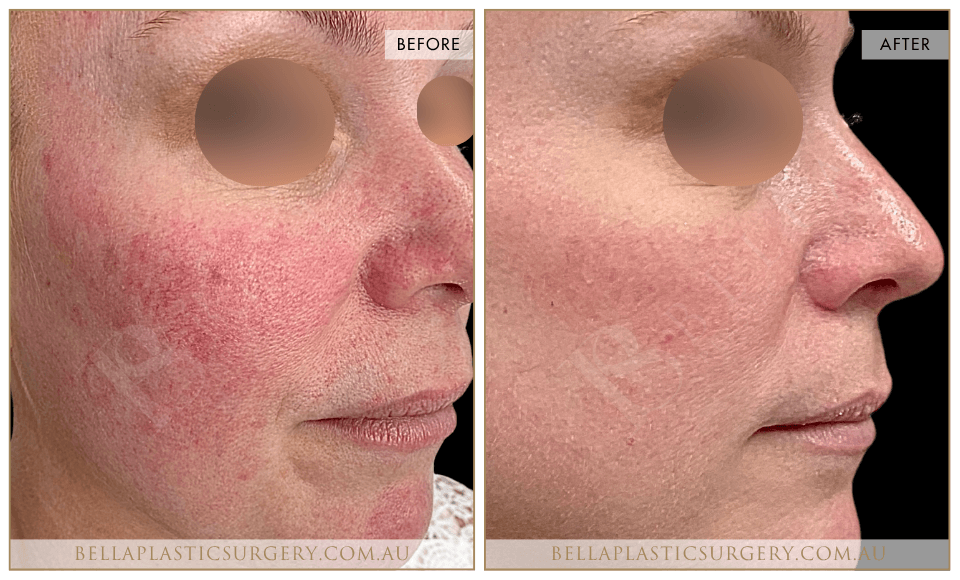
Rosacea is a chronic condition that can be managed, not cured. Typically, multiple treatments are recommended to address the skin’s condition. As symptoms fluctuate, maintenance treatments may be required from time to time.
After treatment, you may notice a reduction in redness or visible vessels; however, outcomes vary, depending on factors such as:
- skin type
- lifestyle and trigger management
- individual healing response
- severity of the condition
Recovery & After-Care
Your recovery and after-care instructions will depend on the type of treatment performed, the treatment area and your individual skin response.
Before treatment, the typical recovery milestones for your procedure will be discussed and after-care instructions will be provided both verbally and in writing. If you have concerns after treatment or experience unexpected symptoms, please get in touch with the clinic for further advice.
Immediately following treatment, individuals commonly experience warmth, mild redness or swelling in the treated area. These effects usually settle within 24 to 72 hours.
If larger vessels are treated, small scabs may form as part of the natural healing process and usually resolve within 14 days. Do not pick or disturb the scabs, as this can interfere with healing and increase the risk of scarring.
Skin Changes During Healing
As the skin heals, it may appear temporarily flushed or red. This typically calms as the skin recovers. To monitor healing after treatment, we may request that you send us photos or attend the clinic for a follow-up assessment.
Potential Risks & Side-Effects
All nonsurgical cosmetic procedures carry potential risks and side effects. These may include blistering, redness, swelling, delayed healing, temporary skin colour changes, or, in rare cases, scarring. Whom
Individual healing responses vary and outcomes cannot be guaranteed. During your consultation, your cosmetic nurse will thoroughly discuss all potential risks.
For more information, please see our Potential Risks & Complications page.
