

Procedure gallery View patient results
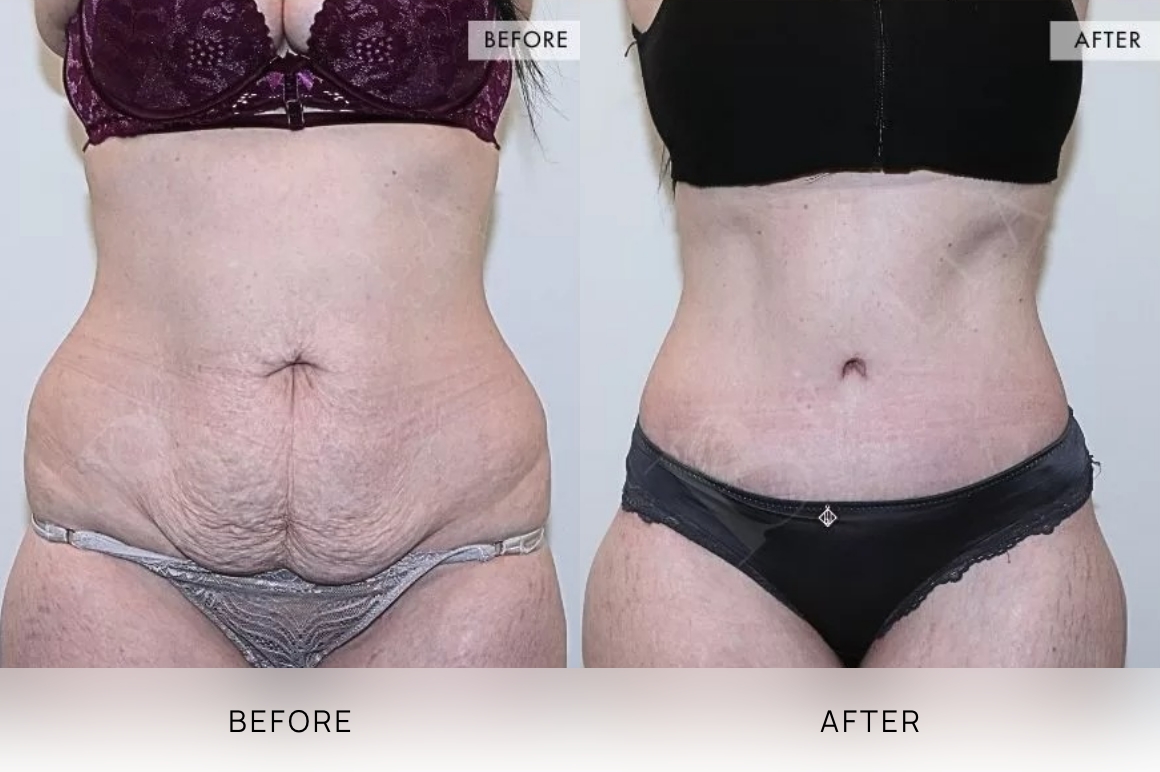
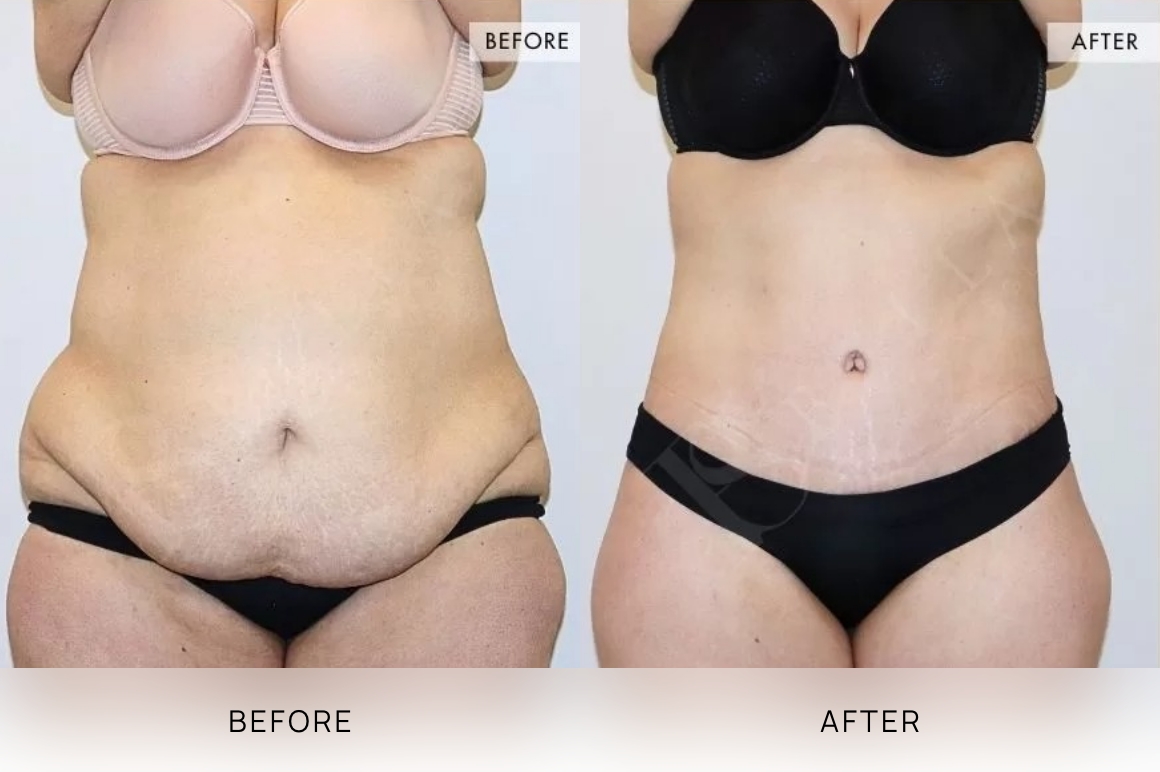
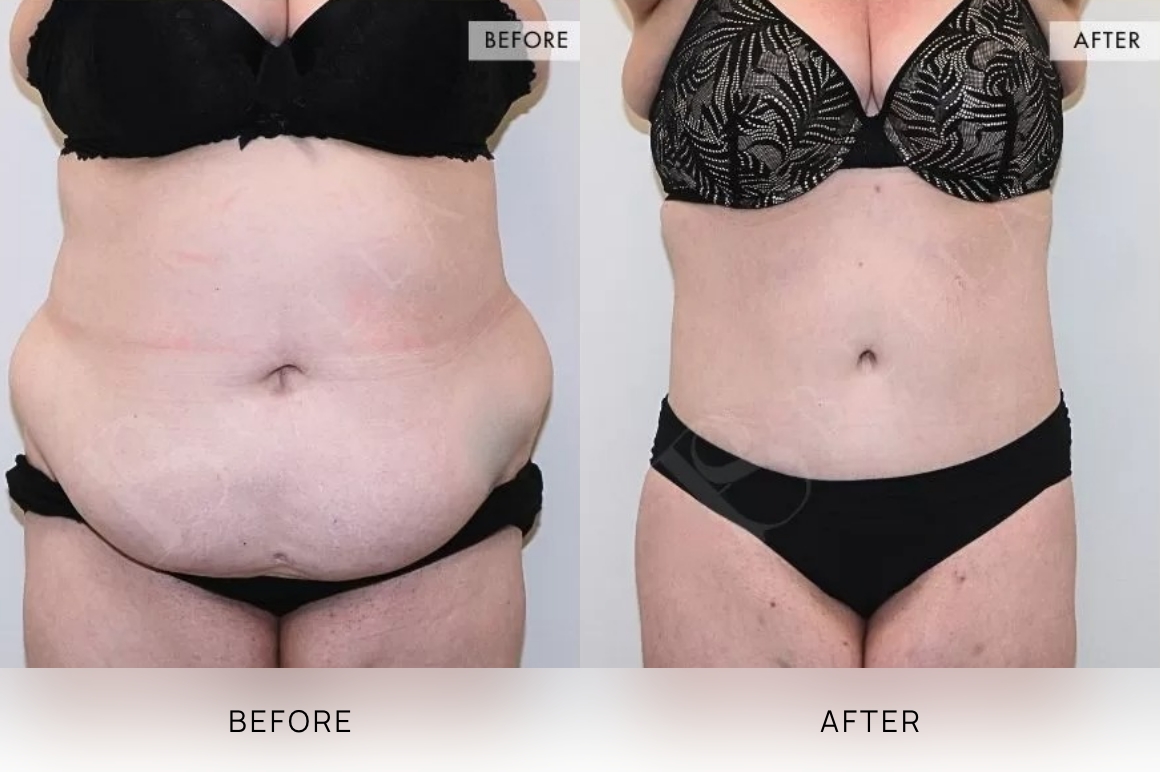
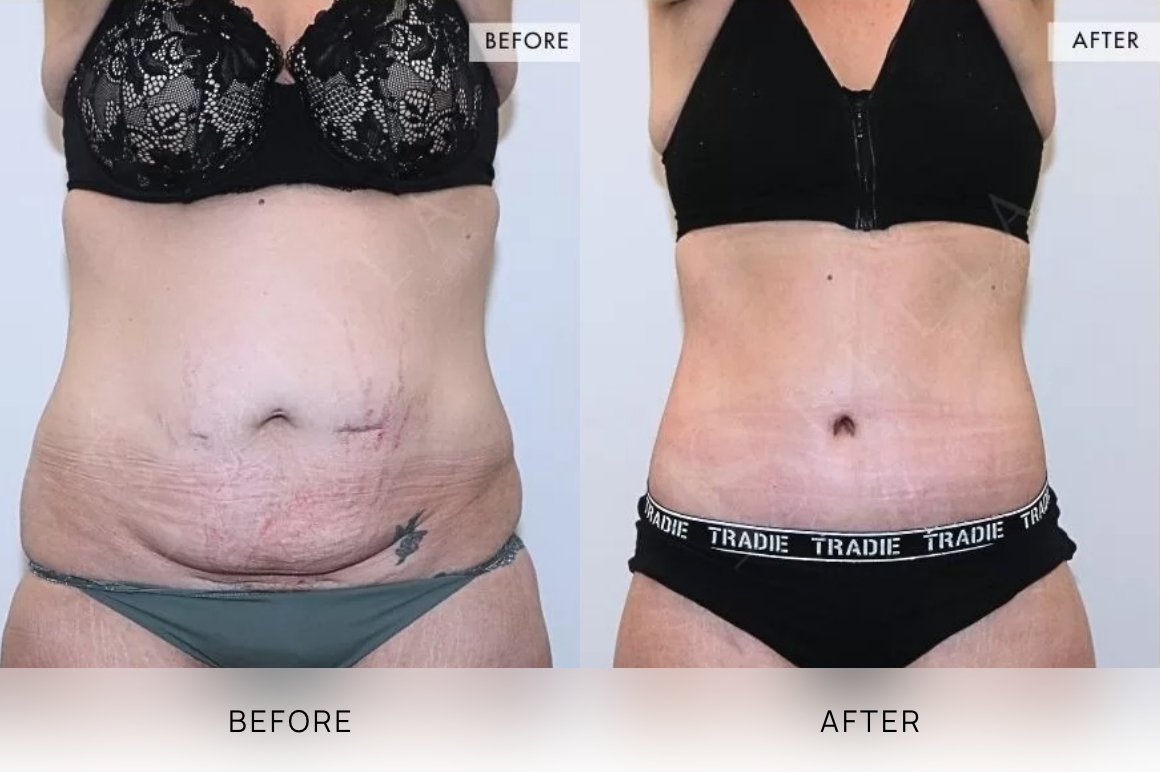
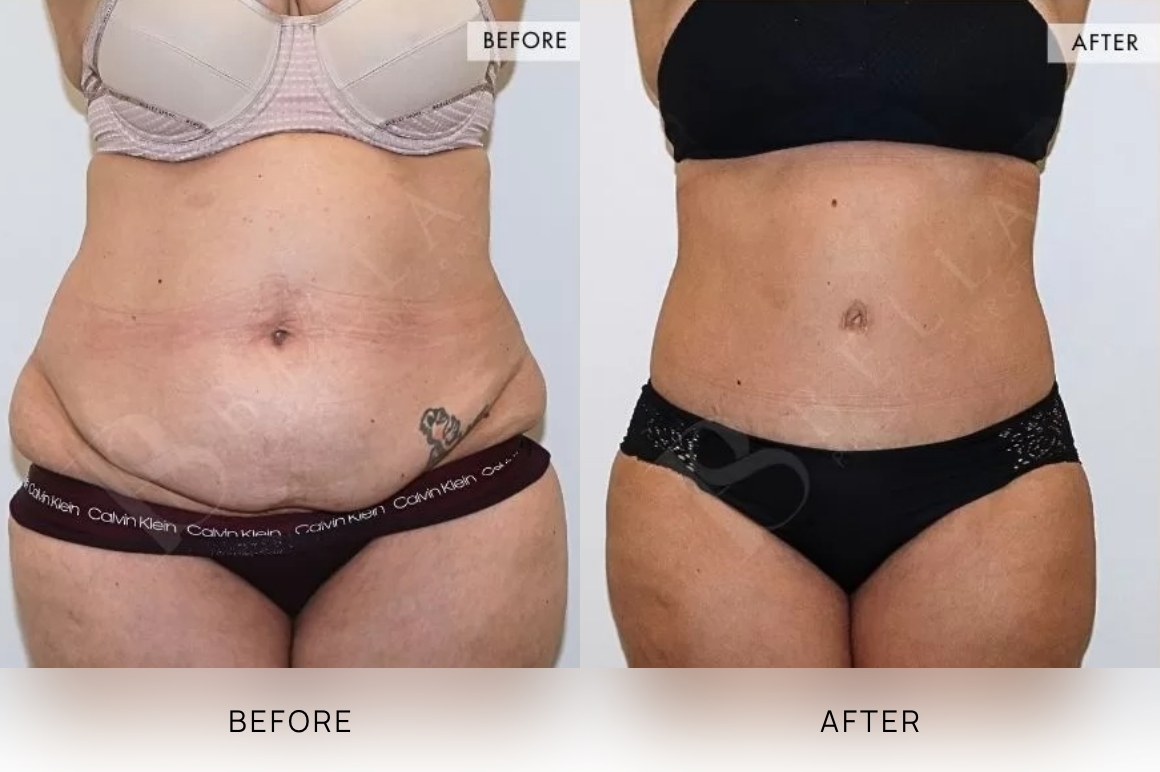
Challenges After Significant Weight Loss
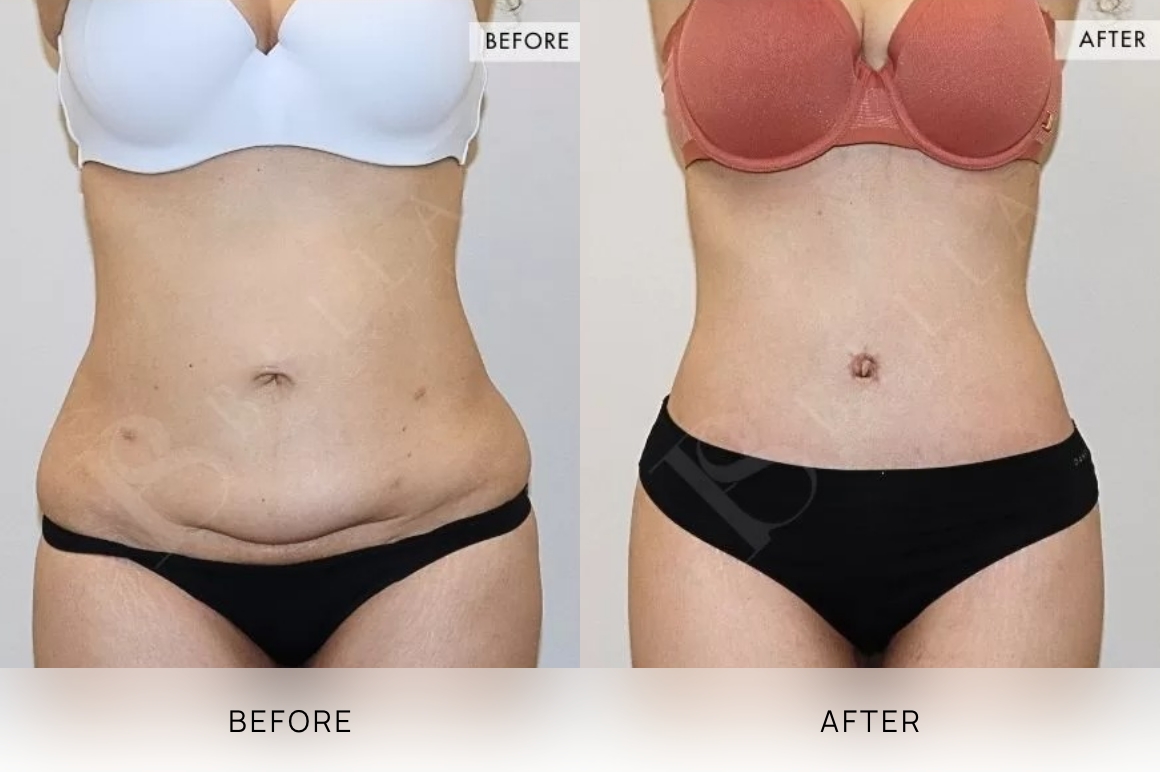
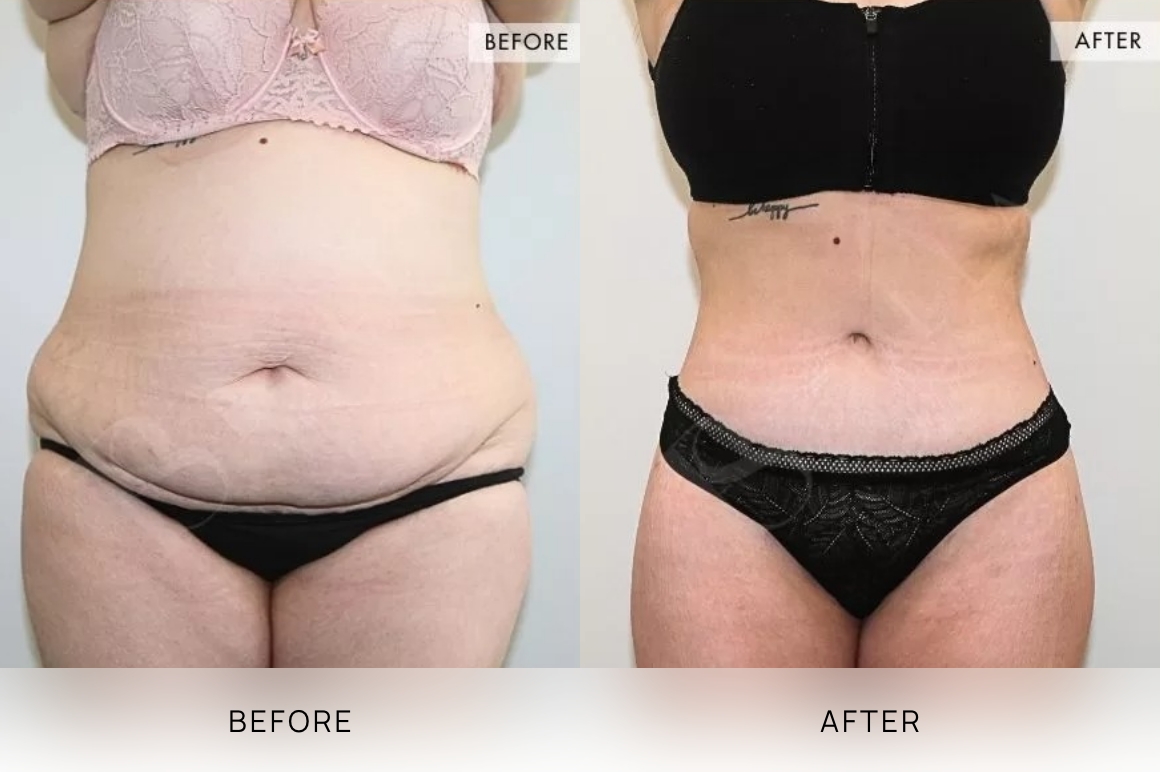
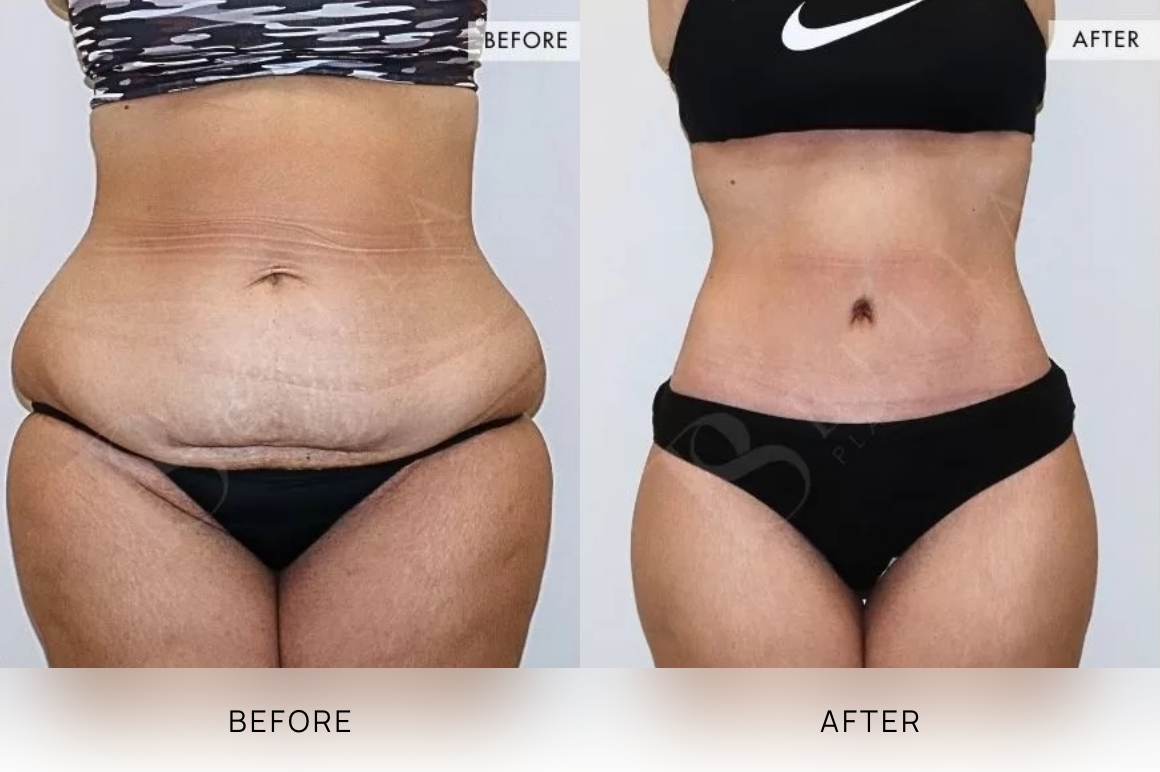
After significant weight loss, excess skin may remain along the abdomen, flanks and buttocks. In some cases, this can contribute to physical discomfort, skin irritation and limitations with clothing or physical activity.
Some individuals experience hygiene concerns, chafing, rashes and difficulty participating in exercise or wearing certain garments. The persistence of loose skin following substantial weight reduction can also be frustrating for some people.
You may consider Combining Surgeries
While extreme weight loss often affects the skin of the abdomen, flanks and buttocks, other areas are often affected as well. Typically, the arms, breasts, back and upper thighs are also significantly affected. For this reason, many individuals request additional surgeries to target these areas. Every individual is unique; therefore, after careful assessment, Dr Dona develops an individualised surgical plan for each patient.
Although many individuals would like to have multiple operations performed simultaneously, this is not always possible. Various factors must be considered, such as the patient’s general health, finances and logistics. Consequently, more than one operation is usually required, carried out in a staggered manner. This helps ensure a safer, more effective way of addressing the patient’s concerns.
In some instances, though, at 360 Tummy Tuck (Abdominoplasty) is combined with other procedures, such as:
- Arm Reductions (Brachioplasty)
- Breast Reductions
- Abdominoplasty procedures, such as Extended Tummy Tucks, Fleur De Lis Tummy Tucks and the Open Book Tummy Tuck™
Tailoring Surgeries to the Individual
As we’ve discussed, many parts of the body are affected after significant weight loss. When Dr Dona assesses a patient, he must tailor the surgical plan to address the individual’s specific concerns. For example, he will examine the following areas carefully:
- Abdominal wall
- Mons/pubic region
- Back
- Buttocks
- Flanks
- Upper outer thighs
Once these areas have been carefully assessed, Dr Dona will determine the most appropriate surgical plan and the incision pattern required. As the name suggests, a 360 Tummy Tuck (Abdominoplasty) typically involves a circumferential incision positioned within the standard ‘belt line’. However, incision placement and extent will vary depending on the areas requiring the most correction.
There are several types of Tummy Tucks (Abdominoplasties), each involving a different incision pattern based on the complexity and extent of the procedure.
Dr Eddy Dona is a highly experienced specialist plastic surgeon who has dedicated much of his profession to 360 Tummy Tuck (Abdominoplasty).
When considering 360 Tummy Tuck (Abdominoplasty) , it’s vital you consider your options and do your research carefully. Not all surgeons are equal – or have the same level of expertise and experience.
Your Post-operative Care Plan
At Bella Plastic Surgery, your recovery is supported by our HeaLED Post-surgery Care Program. This carefully designed program helps promote healing and optimise your surgical results. It combines advanced treatments that work together to support tissue repair, reduce swelling and minimise scarring.
The HeaLED Program may include:
- LED Light Therapy – Helps ease swelling, inflammation and discomfort while encouraging faster healing.
- Rejuran Therapy – Supports collagen production, strengthens the skin and improves overall skin quality.
- Medical-grade skincare – Helps protect and restore the skin while supporting healthy scar healing during recovery.
In some cases, microneedling may also be recommended to support scar management. Together, these treatments are designed to support a smoother, more comfortable recovery and refined results.
Recovery after a 360 Tummy Tuck (Abdominoplasty)
A 360 Tummy Tuck (Abdominoplasty) is a significant reconstructive procedure that requires planning, preparation and downtime. The surgery is performed in a private hospital under general anaesthesia and typically takes between four and six hours.
When patients wake from surgery, their head will be elevated and a pillow will be placed under the knees for maximum support and comfort. Drains will be placed to minimise fluid accumulation and the patient will be catheterised. Compression garments will cover the surgical areas to minimise swelling, reduce tension and aid in healing. These garments must be worn for at least the first six weeks. There will be an IV drip to give appropriate fluids and medications. To prevent DVT, there will be massage devices on each leg.
The first few days
Patients typically remain in the hospital for the first few days, while some choose to stay for approximately one week. If required, a physiotherapist will visit the day after the procedure to help the patient out of bed and begin gentle mobilisation.
On day two, the catheter, drains and IV drip are typically removed. At this point, patients can have a shower with assistance. However, surgical incisions must be kept dry for the first week. (All wounds will be covered with dressings, which will remain in place until your first post-operative appointment, which is on the day of hospital discharge.)
There may be some pain or discomfort, along with shooting pains or a burning sensation. These sensations are typically associated with the drains and the pain typically subsides after their removal on the second day. Patients will be given ample pain medications to keep them as comfortable as possible during recovery.
Bloating and constipation are common after surgery, so patients are given constipation medication while in the hospital. This can be continued for the first few days after returning home.
1 – 2 weeks after surgery
During the first week of recovery, patients visit the clinic regularly for post-operative care. Discomfort at this early stage is normal, but patients usually notice a gradual improvement in symptoms each day. Patients are encouraged to continue taking short walks around the house often to improve circulation.
You may consider resuming driving two weeks after surgery, provided you feel confident. Swelling gradually decreases and all incision marks typically appear less red.
4 weeks after surgery
Patients begin to feel a little more ‘like themselves’. Light housework activities may be manageable. Some individuals will be able to return to sedentary work, depending on their comfort levels. The internal scar tissue begins to strengthen and the scars become more settled.
6 weeks after surgery
At six weeks, patients return to the clinic for a review with Dr Dona. This allows him to assess your recovery, then discuss your next stage of recovery and rehabilitation. Typically, patients also return for long-term follow-up at six and 12 months.
Potential Complications with a 360 Tummy Tuck (Abdominoplasty)
All surgery carries risks. Before proceeding with surgery, Dr Dona will explain the potential risks and complications generally associated with surgical procedures, as well as those specifically related to a 360 Tummy Tuck, which include the following:
- Swelling – It is normal to experience swelling after a 360 Tummy Tuck (Abdominoplasty). However, swelling may take several months to resolve in some cases.
- Asymmetry – There may be differences between the left and right sides or unevenness of the skin.
- Scars – Scarring may appear worse during the first six months of healing. They will ideally become fine white lines after 12 to 18 months. However, sometimes scars can become thick and dark, hypertrophic or even keloid.
- Seromas – This is where fluid builds up under the wound. If a seroma occurs, it may need to be drained with a needle.
- Circulation – Circulation may be poor in the skin surrounding the surgical area. This may lead to skin loss and a wound that must be addressed until healed. There is a chance that these wounds may require further surgery until they are fully healed.
- Loss of sensation – A loss of sensation around the scars is typical, particularly along the lower abdominal wall. Some of this sensation may return, while at other times it will be permanent.
- Further surgery – As a 360 Tummy Tuck (Abdominoplasty) is a large Body Contouring procedure, it is not uncommon for patients to require further surgery to fine-tune the results.
