
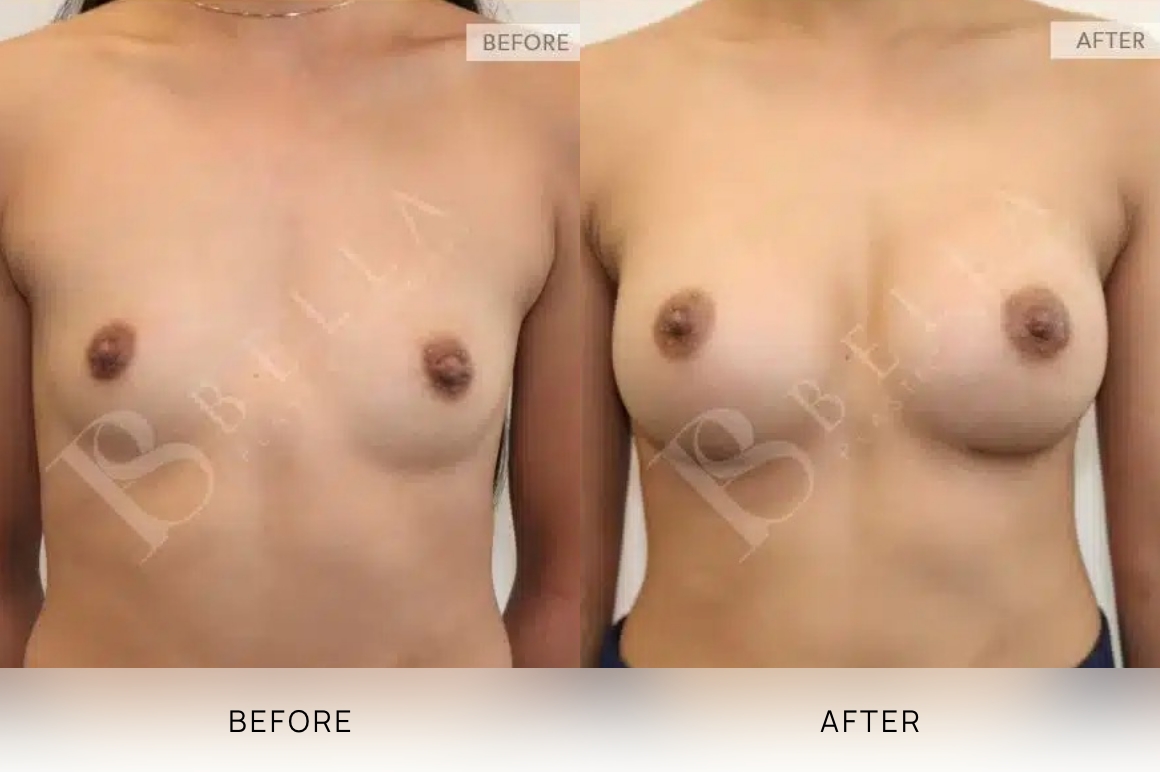
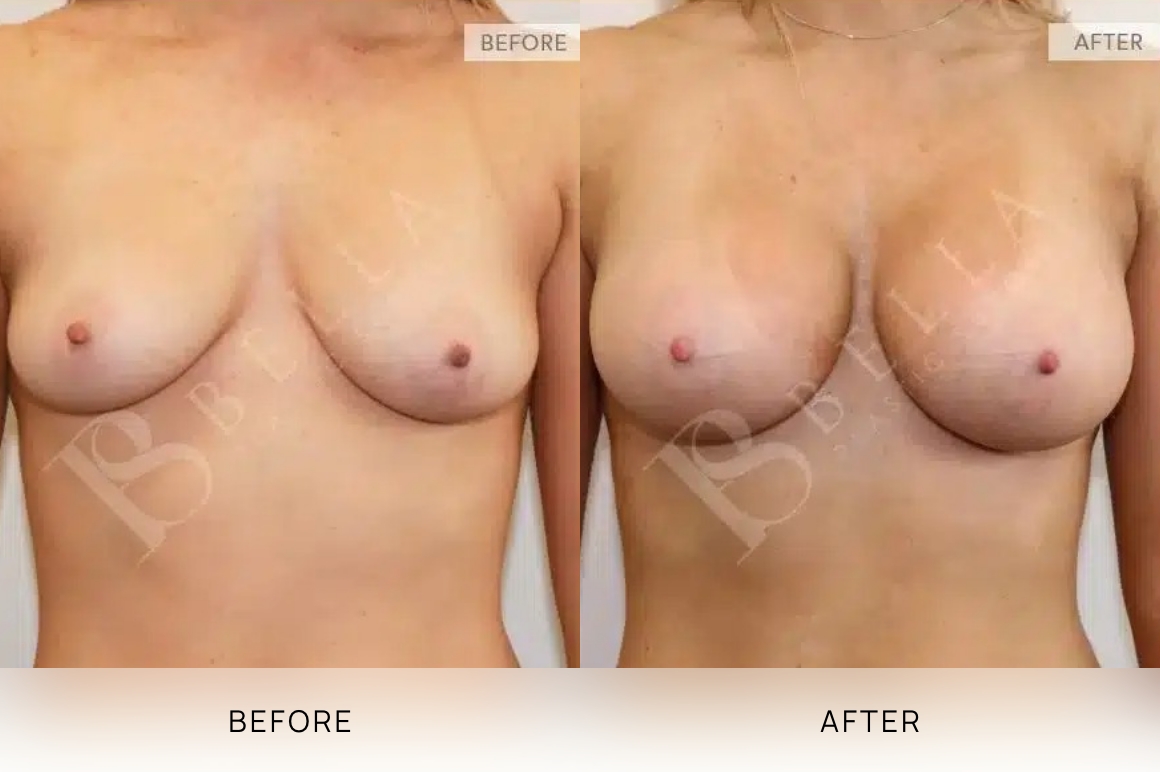
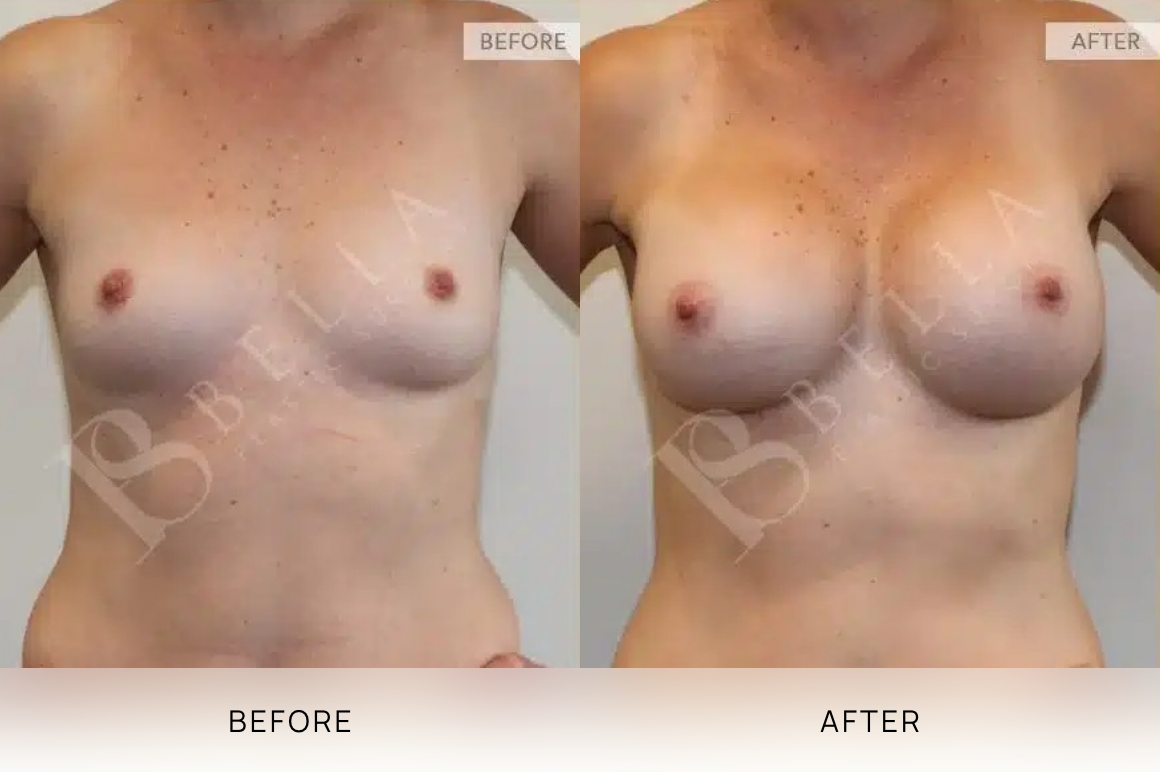
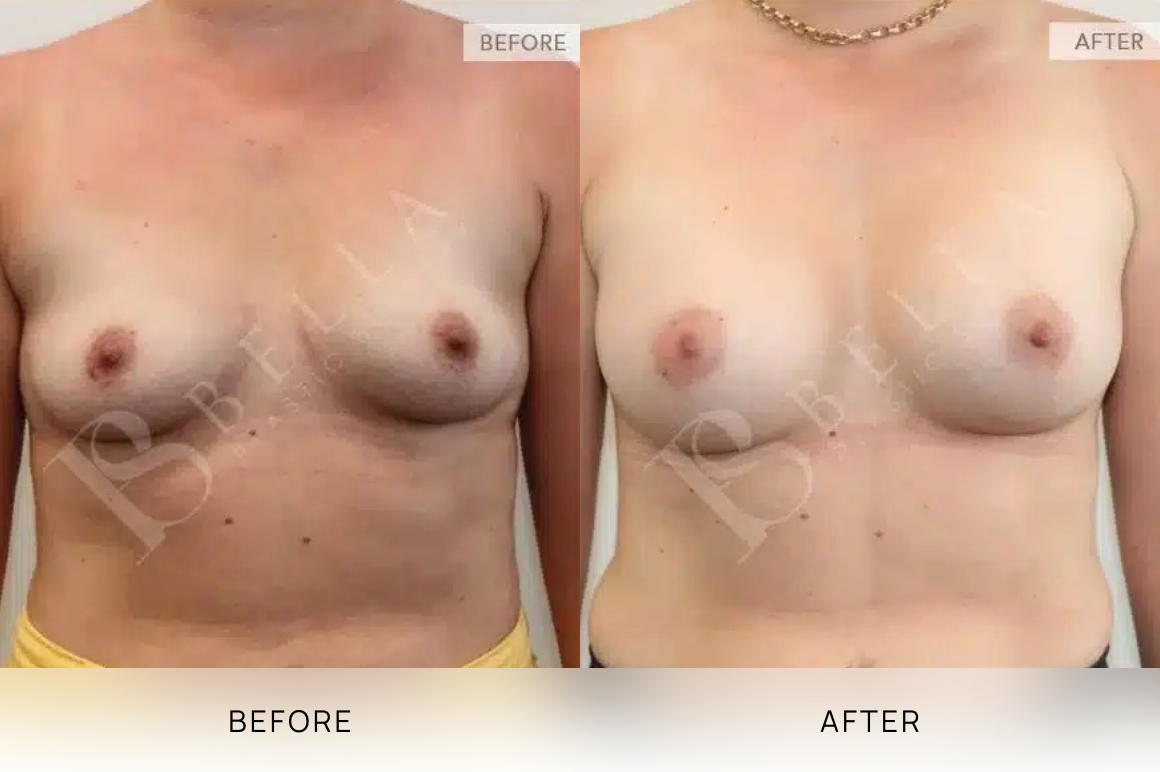
Procedure gallery View patient results
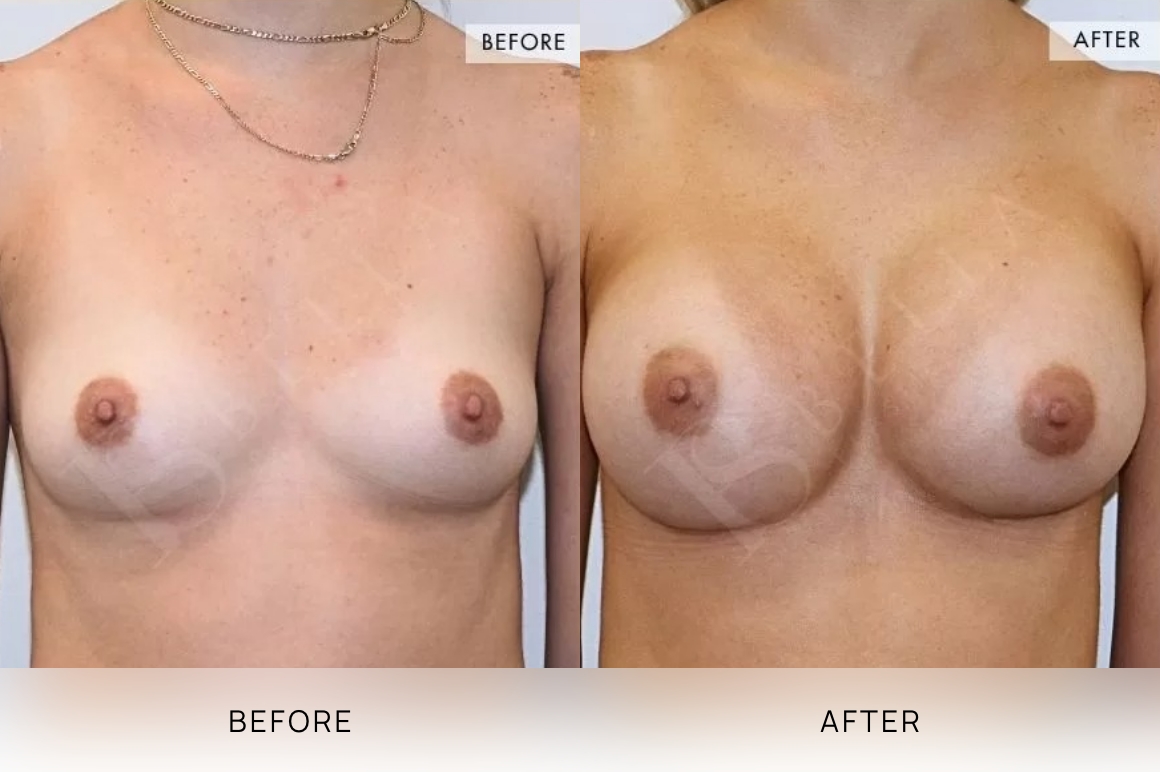
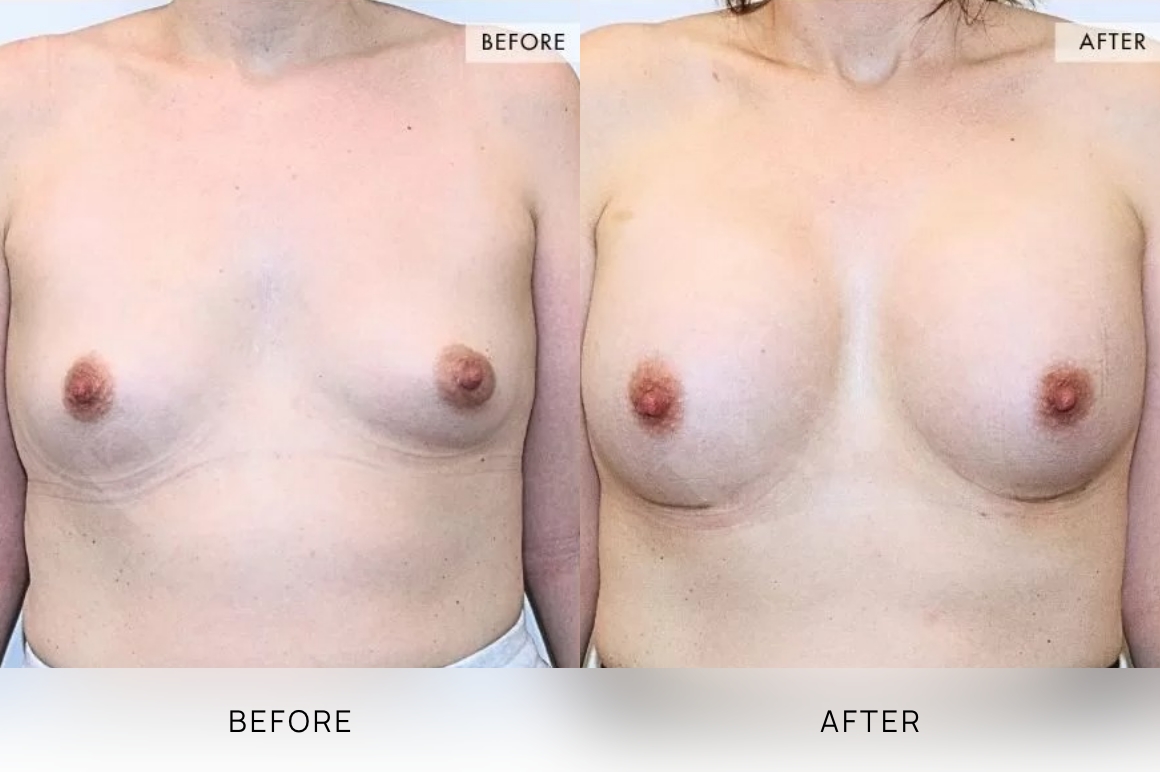
 ▶
▶ ▶
▶ ▶
▶ ▶
▶ ▶
▶
Breast Implant Understanding & Planning
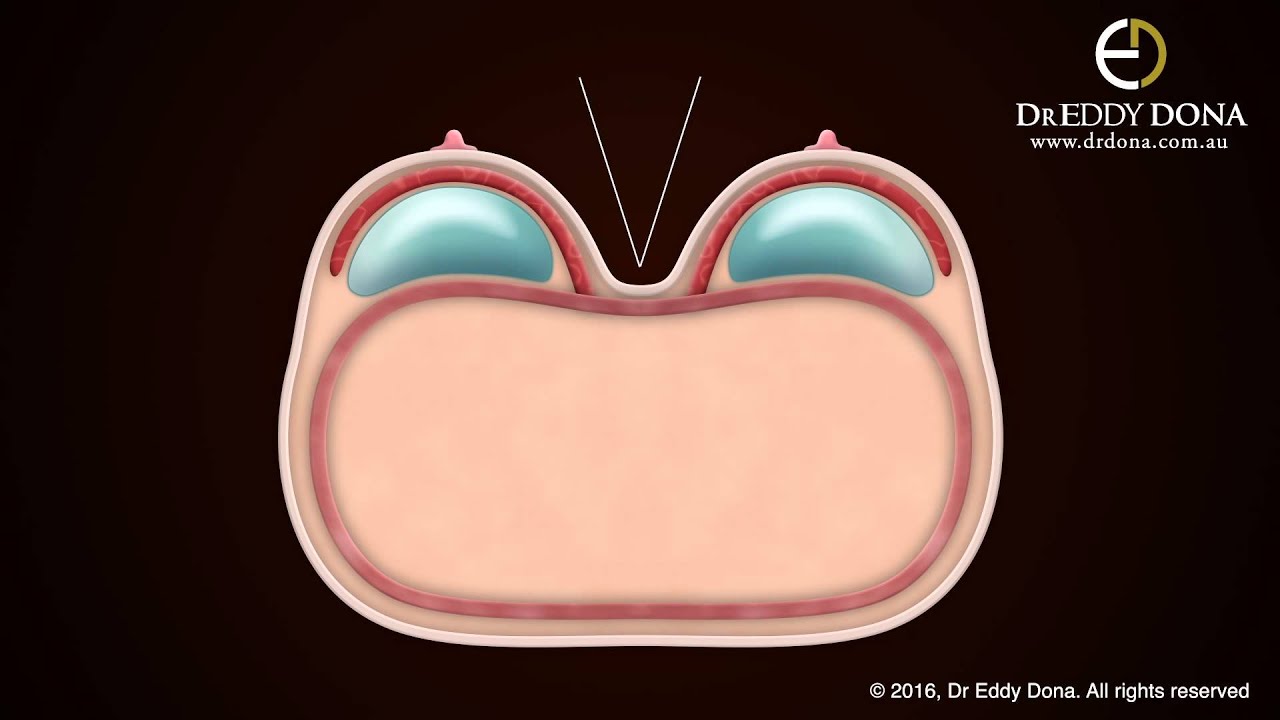
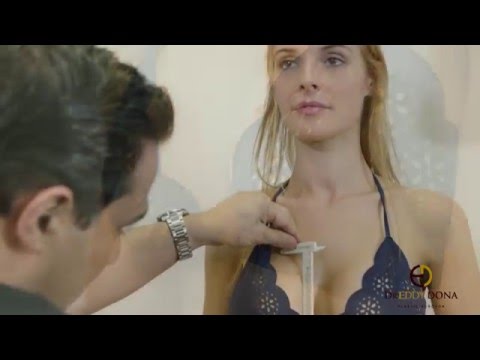
CHEST WALL MUSCLES - Dr Dona explains how they can affect your breast aug results

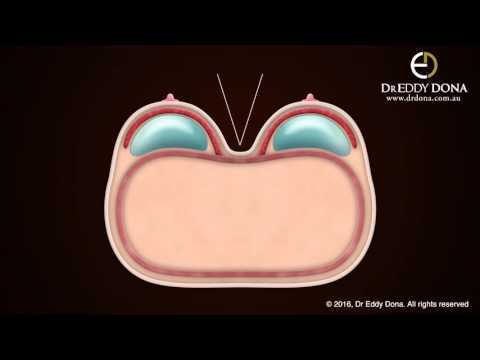
Dr Eddy Dona - IMPLANT POCKETS - The different implant pockets explained

Good Cleavage with Big Pec Muscles
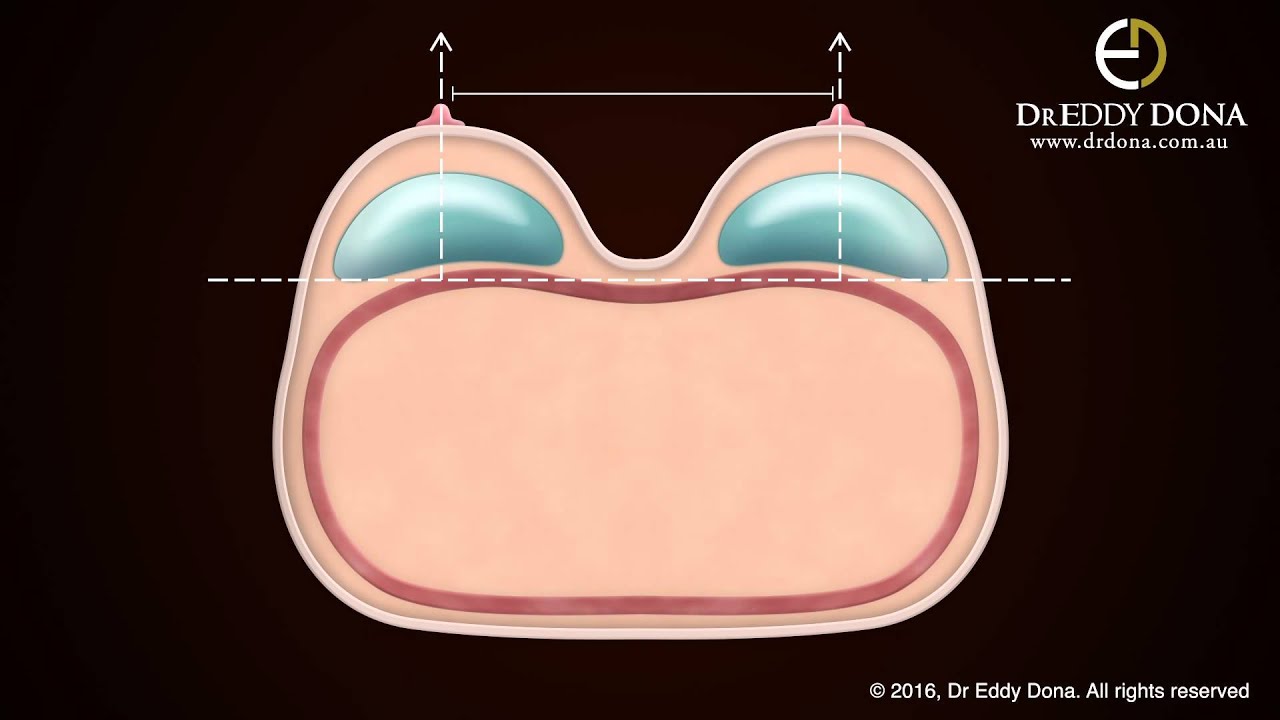
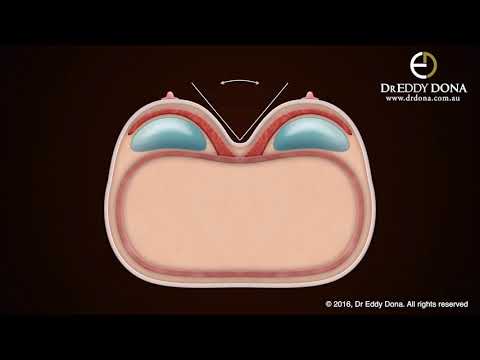
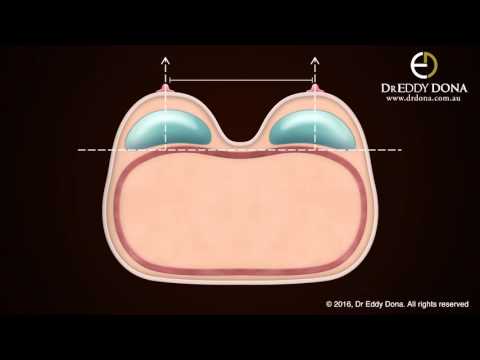
CHEST WALL SHAPE - how this can affect your breast augmentation results.
Why Do WomenSeek Breast Augmentation Surgery?
Breast Augmentation surgery is typically sought out by individuals who would like to:
- Have improved symmetry in their breasts
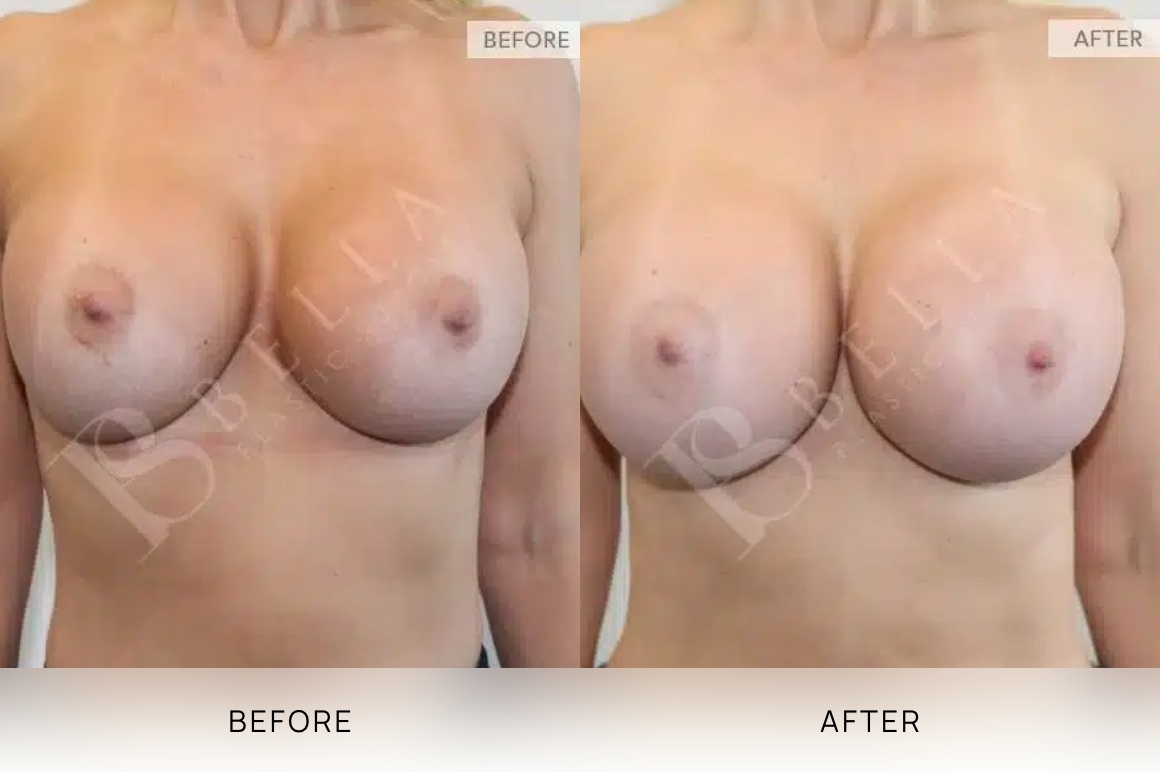
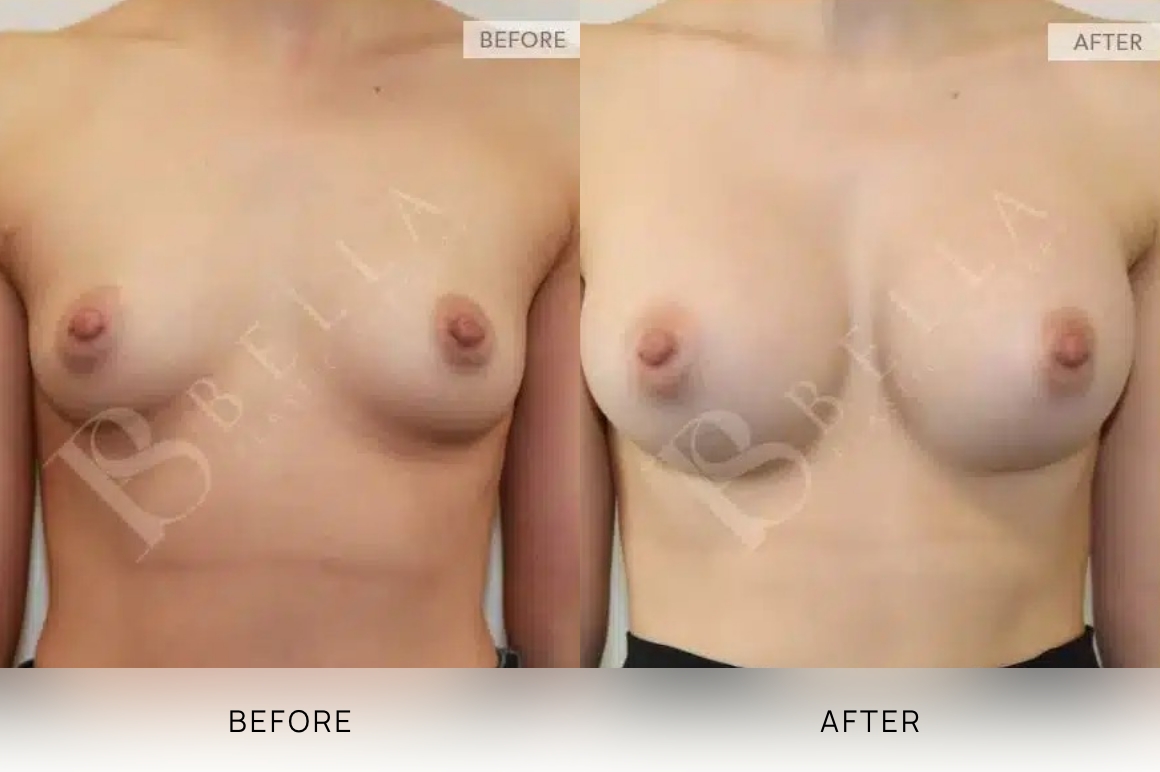
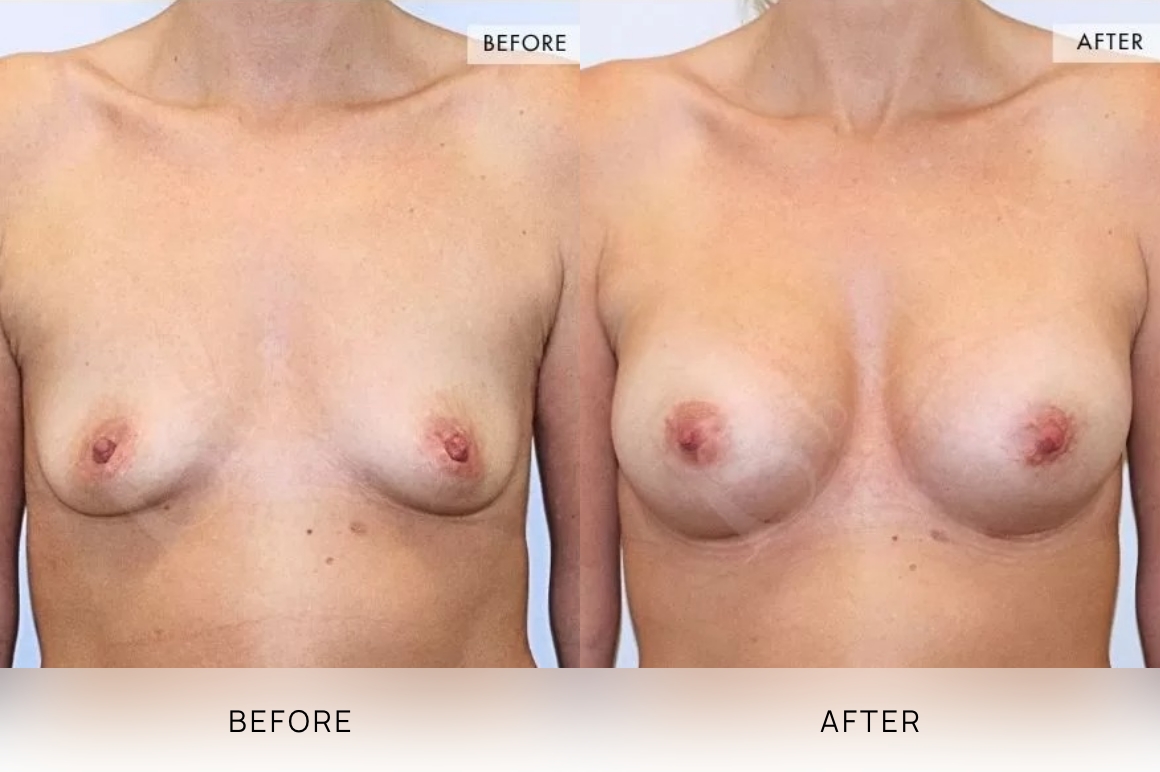
- Increase the size of smaller breasts
- Increase the fullness and projection of their breasts
- Enhance the shape and volume of breasts after weight loss, pregnancy or breastfeeding
- Reconstruct breasts after mastectomy or injury
- Create a female aesthetic after gender reassignment (gender-affirming surgery)
Breast Implant Surgery:Understanding the basics
Before any Breast Implant surgery procedure, your surgeon must assess and consider multiple factors. In particular, there are three key considerations:
- Have improved symmetry in their breasts
- Increase the size of smaller breasts
Implant position/pocket placement
Types of Breast implants
Breast implants come in a wide variety of shapes, sizes, widths, profiles and materials. For example, there are silicone and saline breast implants. Dr Dona prefers silicone breast implants, made of a firm or soft silicon gel, as the results are more lifelike with better long-term aesthetic outcomes and possibly less likely to form capsular contraction. Breast implant shapes can vary. There are teardrop breast implants (aka (anatomical-shaped) and round breast implants.
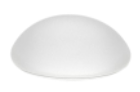
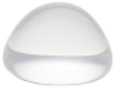
Similarly, the surfaces of the implants can differ, with some being textured (rough surface) and others smooth. Each has its benefits, depending on the patient’s anatomical requirements.Choosing the correct implant profile (not just the implant size) for you is vital. This refers to how far forward the implant projects. Implant profiles can be:
Incision or Scar Location
Dr Dona creates the incision within your lower breastfold. This position is the most popular incision placement with most plastic surgeons. However, the breastfold is not the only option. For some, an incision may be made in the crease of the armpit or around the lower areola border. It all depends on the individual’s anatomy, preferences and the surgeon’s opinion.
Breast Implant Position (Pocket Placement)
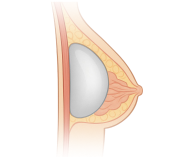
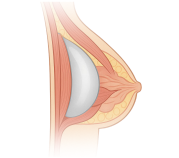
Pocket placement refers to where the implant will sit. This is defined as either:
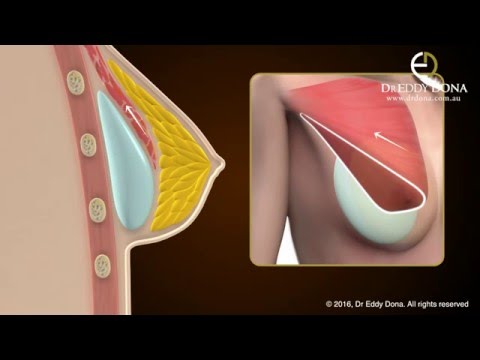
Understanding ‘behind the Muscle’ Implant Positioning
One type of pocket placement below the muscle is the ‘dual plane technique’. This is a variant of the ‘under muscle technique’. Once again, there are pros and cons to each technique. The most appropriate techniques for you will be discussed in detail with your surgeon during your initial consultation.
Fat Transfer Breast Augmentation
An alternative to Breast Implant surgery is Fat Transfer. Fat Transfer (aka Fat Grafting) involves transferring fat from another area of your body and injecting it into the breast. Although Dr Dona performs this procedure, he does not recommend it as a first choice.
This is because only a small percentage of the fat receives enough blood supply to survive, and the body breaks down much of the fat. Predicting the size and symmetry with a Fat Transfer is difficult, so several follow-up procedures may be required to achieve your desired aesthetic result.
Recovery AfterBreast Augmentation Surgery
Immediately after surgery
The first 10 days post-surgery
2 to 3 weeks post-surgery
4 to 6 weeks post-surgery
3 months post-surgery
6 months post-surgery

Dr Eddy Dona is a highly experienced specialist plastic surgeon who has dedicated much of his profession to Breast Implant.
When considering Breast Implant, it’s vital you consider your options and do your research carefully. Not all surgeons are equal – or have the same level of expertise and experience.
Potential Risks and Complications
Whenever someone is having a general anaesthetic, no matter what it’s for, things can potentially go wrong. That is why no surgery should be considered ‘minor’. While the chances of the following potential problems are minimal, you still need to be informed.
- Anaesthetic issues – these can affect the heart and lungs or cause strokes.
- Allergic reactions – these can be very mild to life-threatening.
- Clots
- Superficial vein clots – a complication of the cannula or drip placed in your vein.
- Deep vein clots – these can potentially spread to the lung and be life-threatening. We take several precautions during and after surgery while you’re in hospital to minimise the risk of developing these.
- Wound problems – such as infection and breakdown.
- Bleeding – early or late.
- Death – while the chances of this are exceedingly rare, any of the previous issues can result in this complication.
The above issues are standard for any operation. However, some operations and patients have an increased risk of developing them.
