
Breast Implant Removal Procedures
There are various implant removal procedures to accommodate the various needs of patients. Dr Dona will advise you on the appropriate technique for you, depending on your reasons for removal and your desired outcome. Below are some of the more common approaches.
Standard Implant Removal
The standard removal procedure involves taking out the implants while leaving the surrounding breast tissue intact. Typically, an incision is created along the Breast Implant Surgery scar or the breast crease.
Many patients choose this option if the implants have ruptured or if they are experiencing implant complications such as breast implant illness.
Most patients can resume regular activity within a few weeks. However, recovery time varies and depends on factors such as the condition of your scar tissue and overall health.
Implant Removal & Replacement
Sometimes, patients elect to replace their existing implants with new ones. This revision process can be part of the breast implant removal procedure.
This option might suit those wanting to change the size or type of their breast implants.
The cost of breast implant revision with replacement varies and Private Health Insurance may cover some expenses if related to medical necessity.
Combined Procedures
Combined procedures include:
- Implant Removal + Breast Lift
- Implant Removal + BAM (new breast implants) + Breast Lift
If you’re concerned about breast shape and appearance after implant removal, combining your procedure (with or without implant replacement) with a Breast Lift can be beneficial.
If you decide not to have your implants replaced, you may find the subsequent loss of volume results in breast tissue deflation and sagging.
Therefore, a Breast Lift may be beneficial for optimal aesthetic outcomes.
Note: Over time, natural breast tissue sags, so the more you have, the greater the potential for sagging. Therefore, even if your implants are being replaced during surgery, you may benefit from a Breast Lift to address natural breast tissue droop issues.
Although combining these procedures may result in a slightly longer recovery time, it provides comprehensive results in a single session.
Reasons for Breast Implant Removal
People choose to have their breast implants removed for numerous reasons, including the following.
Complications with existing implants
- Implant rupture
- Capsular contracture (hardening)
- Movement and displacement of the implant
- Chronic pain
- Recurrent swelling of the breasts
- Recurrent infection of the implant that does not respond to antibiotics
- Changes in your natural breast tissue and the appearance of your breasts
Lifestyle changes
Life changes (e.g., pregnancy, weight loss, or entering a new phase in life) can affect how implants look or feel. Additionally, many people want to change the size of their implants to better align with their current lifestyle.
Health concerns (e.g. BIA-ALCL)
Anxieties about health concerns can motivate some individuals to consider Breast Implant Removal. These include conditions such as BIA-ALCL and breast implant illness, the latter being a term described for various symptoms such as fatigue and pain, which may potentially be linked to implants.
In rare cases, serious conditions such as breast implant-associated anaplastic large cell lymphoma (BIA-ALCL) may develop. This is a rare type of non-Hodgkin’s lymphoma and is only associated with some types of textured implants. It’s important to note that it is not breast cancer and if found early, it can be successfully treated.
For these health reasons, some individuals opt for Explant Surgery to prevent or address these issues. Anyone considering this surgical procedure must consult with their doctor to discuss their needs and expectations before proceeding with surgery.
What’s a Capsulectomy?
During your Explant Surgery, your natural breast tissue is preserved (unless you’re having a Breast Lift or Reduction at the same time). The implant is removed and the scar tissue capsule surrounding the implants is also removed. This is referred to as a Capsulectomy.
If the implant is being replaced and the capsule is normal in appearance, then there is no clinical need to perform a Capsulectomy.
If the implant is not being replaced, Dr Dona will always perform a capsulectomy, as this will allow the breast tissue to adhere smoothly to the chest wall.
Other situations that warrant a capsulectomy include:
- Breast Implant Illness
- BIA-ALCL
- Capsular contracture with a very thick scar capsule
Ideally, the entire capsule is removed during a Capsulectomy. This is referred to as a Total Capsulectomy. However, in some cases, this may not be possible or safe to do so. Therefore, a Partial Capsulectomy is performed. This is often the case with implants placed under the muscle, where the back wall of the capsule adheres to the chest wall and rib cage.
Some forms of Total Capsulectomy are referred to as an EnBloc Capsulectomy. These are typically reserved for those having treatment for breast implant illness or BIA-ALCL.
Preparing for Breast Explant Surgery
As with all surgical procedures, breast implant removal requires careful planning. Ensuring you’re fully prepared will help the process go smoothly and facilitate a faster recovery. Your preoperative preparation includes several steps, including medical assessments, lifestyle adjustments and coordinating with your surgeon. Each aspect contributes to a successful outcome and can make your experience less stressful.
Medical assessments
Before your surgery, you’ll undergo several medical assessments. These help determine your overall health and any medical risks connected to the surgery. Common assessments include:
- Physical exam: Dr Dona will check your breast tissue and overall health
- Imaging tests: these may include breast ultrasounds, mammograms and/or MRIs to get a clear view of your breast implants and tissues.
- Blood tests: These may be necessary to evaluate your overall health and identify any potential issues.
These assessments help identify any complications such as implant rupture or scar tissue formation, ensuring the safest approach for your surgery.
Lifestyle adjustments
Making specific lifestyle changes before your Breast Implant Removal can help with your recovery. For example, we recommend you:
- Stop smoking: Smoking (or taking any nicotine-containing products) can affect healing, so quit at least two weeks before surgery.
- Limit alcohol consumption: Reducing alcohol consumption will help support a faster recovery.
- Nutrition: Eat a balanced diet to help strengthen your immune system
- Manage medications: Discuss all your medications with your doctor. They may adjust your dosage or advise you to stop certain medications in the days leading up to your procedure.
These changes may help you heal faster while also preparing your body for the surgical procedure.
Coordinating with Dr Dona and his team
Good communication between patient and doctor is always vital. Discussing all aspects of the procedure together ensures you understand the Breast Implant Removal process and what to expect. During your consultation with Dr Dona, he will typically discuss:
- Surgery details: The steps involved and potential risks of the surgery
- Recovery process: Your anticipated recovery time and when you can resume normal activities
- Breast appearance: Options for maintaining breast shape, such as a Breast Lift or Breast Augmentation with new implants
- Insurance & costs: Whether you may be entitled to receive a rebate from your private health insurance for part of your procedure.
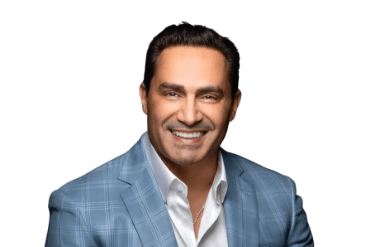
Dr Eddy Dona is a highly experienced specialist plastic surgeon who has dedicated much of his profession to Breast Implant Removal.
When considering Breast Implant Removal, it’s vital you consider your options and do your research carefully. Not all surgeons are equal – or have the same level of expertise and experience.
Breast Explant Surgery: What to Expect
Knowing what to expect on the day of your surgery can help alleviate any anxieties and prepare you for the journey ahead.
Hospital
Your surgery will be performed in a private hospital. It is typically performed as a day surgery procedure, allowing you to go home on the same day as the surgery.
Anaesthesia
Breast Explant surgery is performed under general anaesthesia. Your specialist anaesthetist will meet with you before the procedure, discuss certain details with you and then administer the anaesthetic before your procedure. They will also provide you with pain medication to take home with you. This medication will keep you comfortable during your recovery period.
Length of procedure
The duration of Breast Implant Removal Surgery varies. Typically, the procedure takes about one to three hours. However, the time required depends on the complexity of the surgery. For example, if, along with the implant removal, a Breast Lift or capsule removal is needed, the procedure will take more time.
Interestingly, a breast implant removal procedure that does not involve an implant replacement (and its associated capsulectomy) is technically more difficult than breast implant insertion surgery.
If an implant is not being replaced, Dr Dona will usually place a plastic tube (drain) in your wound. This will remain in place for at least 24 hours. This drain allows any excess fluid and blood to drain out, preventing accumulation within the space where the implant once occupied.
Breast Explant Surgery Recovery
As with all surgeries, it’s vital you are fully informed about all aspects of your procedure before choosing to proceed. Being fully informed is crucial in helping you prepare for and recover smoothly from surgery.
Note: Before your surgery, Dr Dona and his team will give you detailed verbal and written information that covers all your pre – and post – operative instructions. On the day after your surgery, you’ll commence our HeaLED Post-Operative Care Plan. This involves the use of LED light therapy, Rejuran and medical-grade skin care – all of which are designed to expedite the healing process.
Immediate recovery & monitoring
Immediately after your procedure, you’ll wake in the hospital recovery room, where you’ll be monitored closely for several hours. As this procedure is a day surgery, you will be discharged from hospital (once you are feeling well enough) on the day of your surgery. Before you go home, we will advise you on how to care for your incisions and any drains that may have been placed (to reduce fluid buildup).
Managing discomfort & pain
Some discomfort is normal after breast implant removal surgery. Your anaesthetist will prescribe pain medication to help manage your pain. Please follow all instructions carefully. Additionally, patients typically start our HeaLED Post-surgery Care Program on the day after their procedure. This program includes soothing LED light therapy sessions, which not only aid various aspects of the healing process but also help minimise pain and discomfort.
Activity restrictions & guidelines
To help avoid complications and increase your chances of a smooth recovery, please adhere to the following advice.
Light movement and short walks are encouraged to help with circulation but listen to your body. You must give your body time to heal.
From about 6 weeks post-surgery, you may return to your normal activities, including heavy lifting. However, please ease into all activities gently.
Your Post-Operative Care Plan
Your recovery is supported by our HeaLED Post-surgery Care Program, a comprehensive plan designed to optimise healing and improve surgical outcomes. This program combines advanced treatments and therapies that work together to accelerate repair, reduce swelling and minimise scarring.
Key components of the HeaLED Program:
- LED Light Therapy – Reduces inflammation and swelling, eases discomfort, speeds up tissue regeneration and promotes smoother, more refined scars.
- Rejuran Therapy – Uses polynucleotides (PN) derived from salmon DNA to stimulate skin cell regeneration, boost collagen and elastin, strengthen incision sites and improve hydration and skin quality.
- Medical-grade Skincare – Gernetic products such as Synchro Cream restore skin function and optimise scar formation, Cytobi provides additional cellular repair and resilience and Glyco Cleanser offers gentle cleansing without disturbing the healing process.
Potential Risks & Complications
Every surgical procedure carries potential risks and complications. It’s essential to be aware of these before making any decisions about surgery.
Long-term considerations
When weighing up the pros and cons of Explant Surgery, we encourage you to consider the following:
- Breast shape and appearance: Your natural breast tissue will not return to its original shape. Often, patients benefit from a Breast Lift for a more aesthetically pleasing appearance.
- Breast sensation: Some changes in sensation may be permanent.
- Recovery time: You’ll need to plan for recovery. Where strenuous activities are limited.
- Private health insurance: Check if your insurance covers any of the costs associated with Breast Explant Surgery.
- Lifetime devices: Please note that implants are not considered lifetime devices and if you are replacing your implants, further surgeries may be required in the future.
- Implant-associated potential complications: With removal and replacement surgery, all potential complications associated with implants will still exist.
