


Reshaping the nose has been traditionally performed through surgical rhinoplasty. However, we can now perform various nose reshaping procedures without surgery.
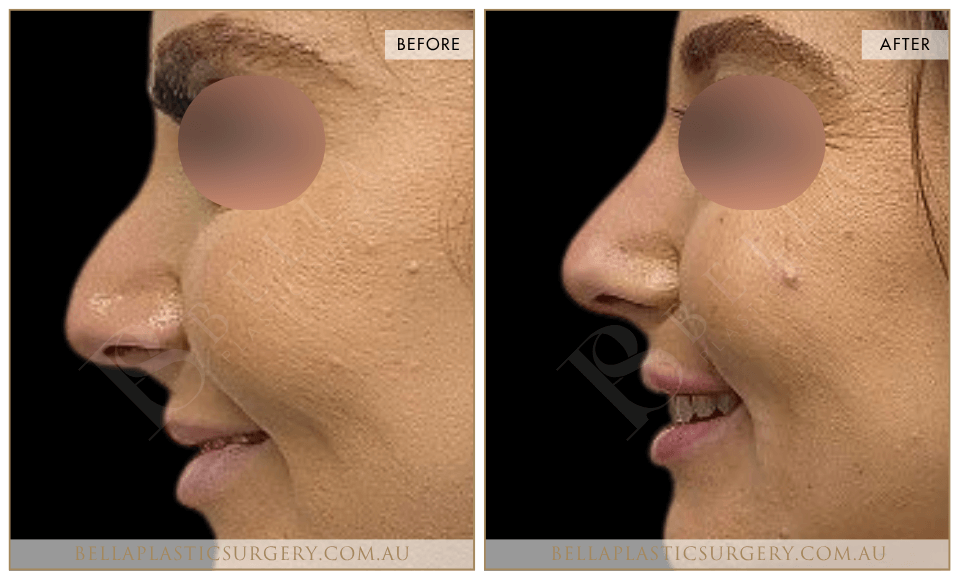
Individuals who seek Non-Surgical Rhinoplasty often want to address a bump on the bridge of the nose or asymmetry when viewed from the front. These issues can be caused by injury or trauma, past nasal surgery or simply genetics. In other cases, the nose is positioned at an angle or the nose tip is pointing down.
Procedure gallery View patient results
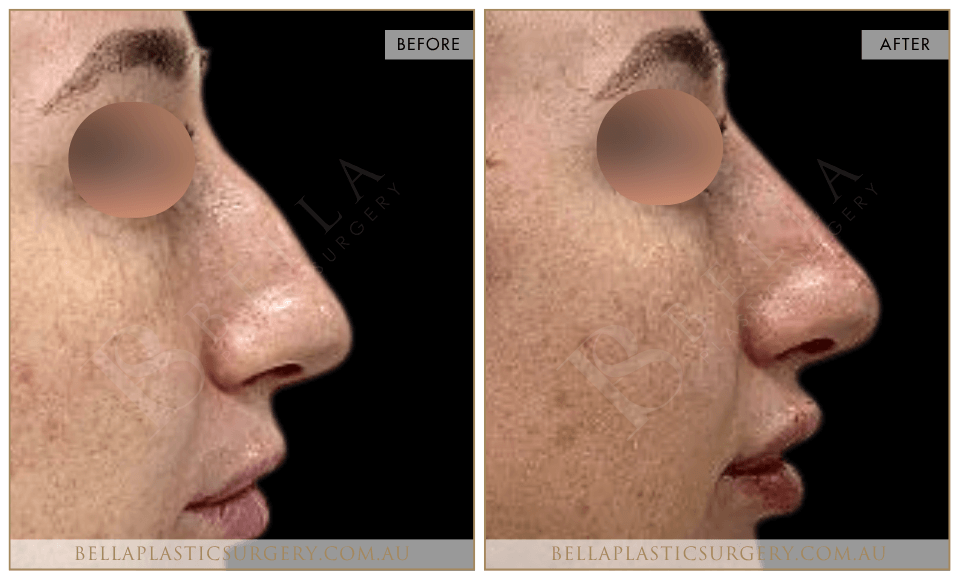
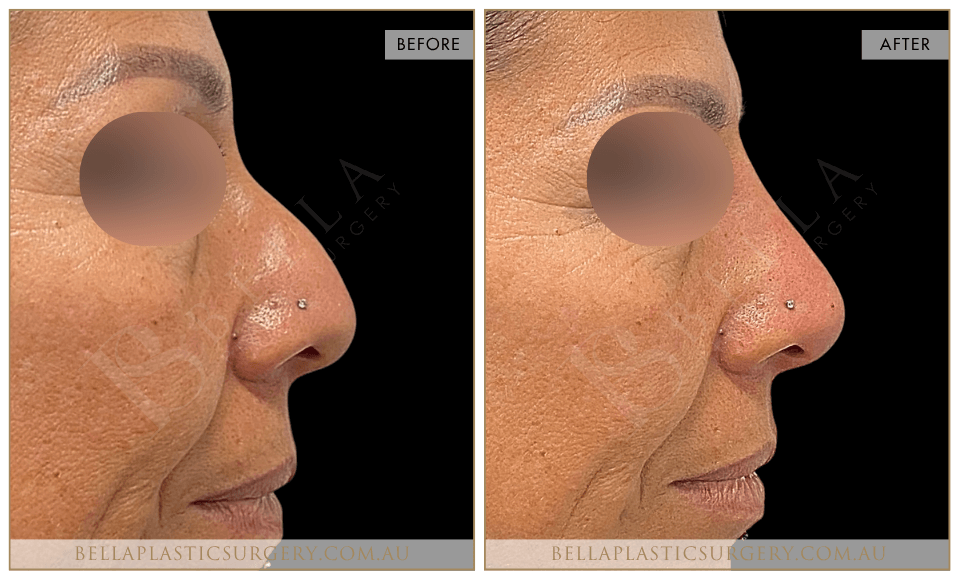
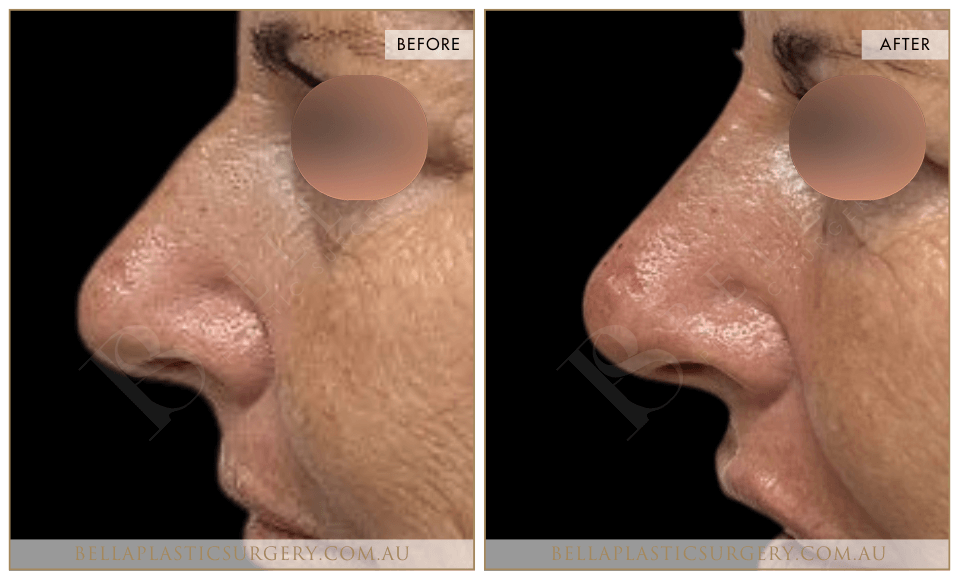
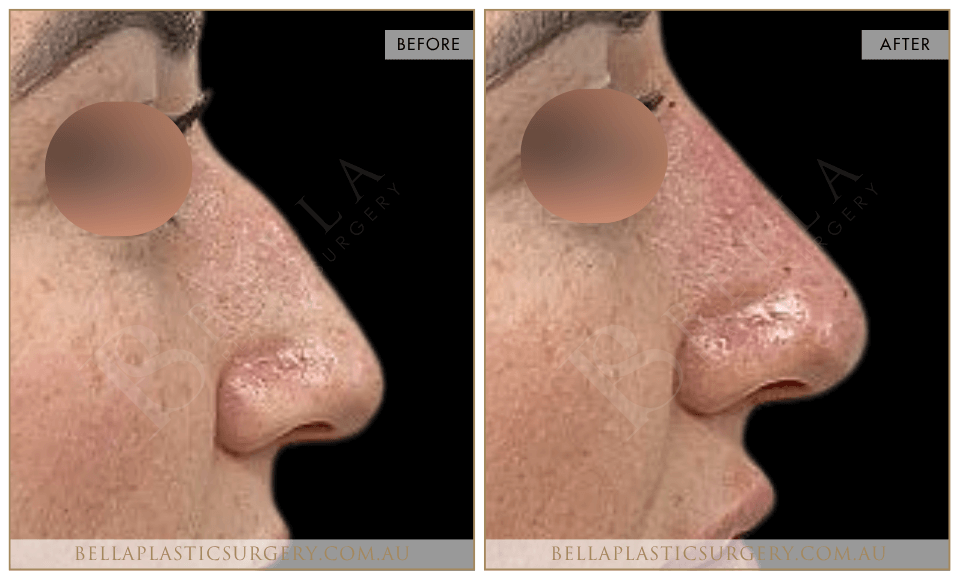
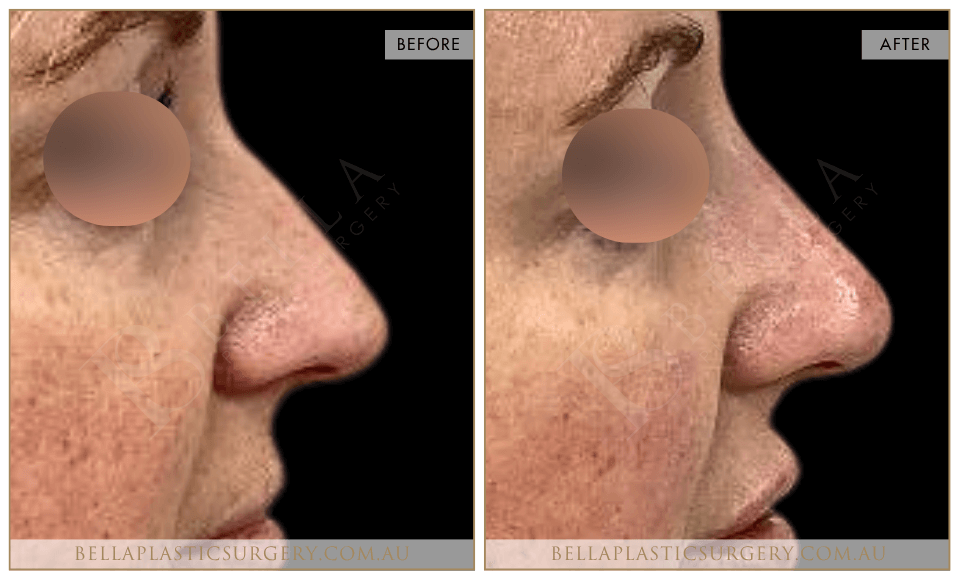
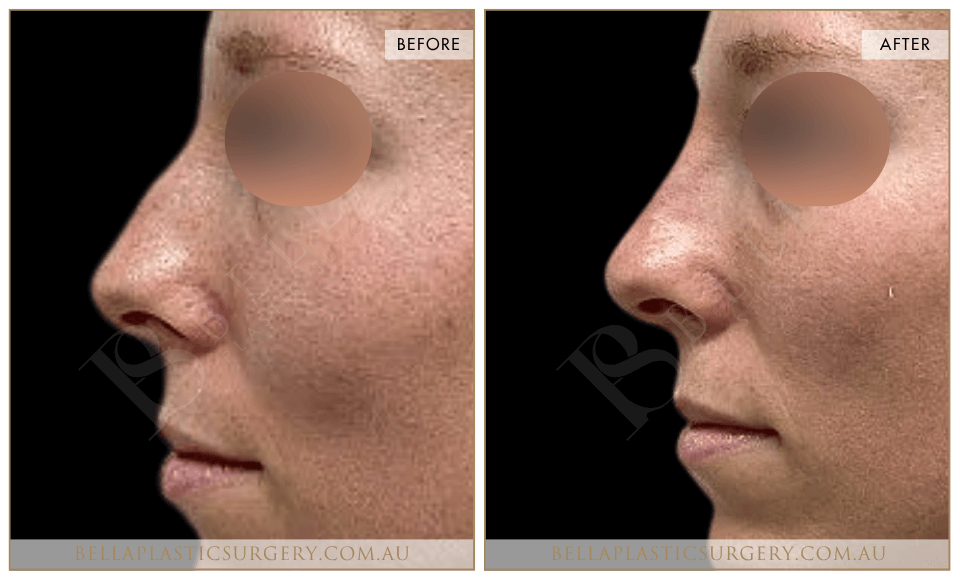
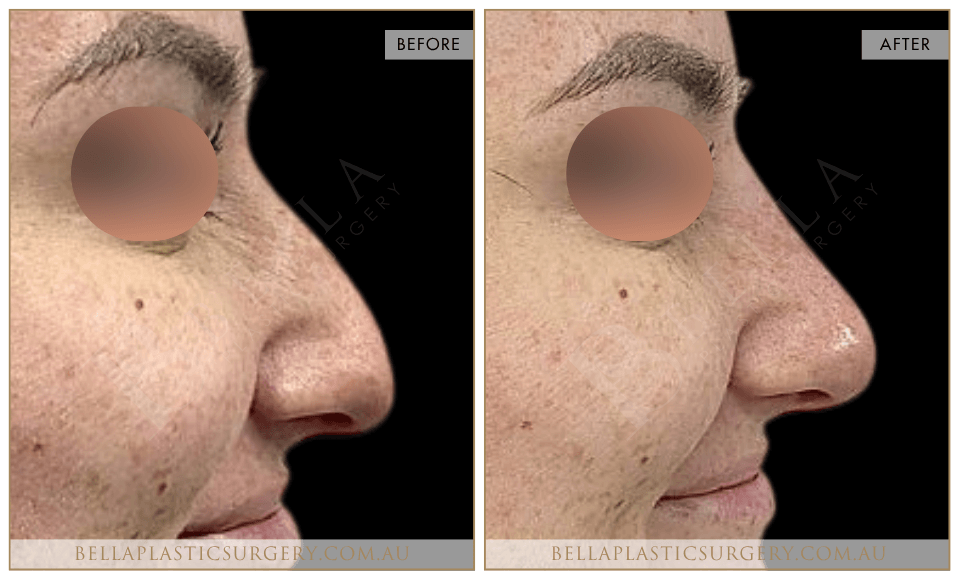
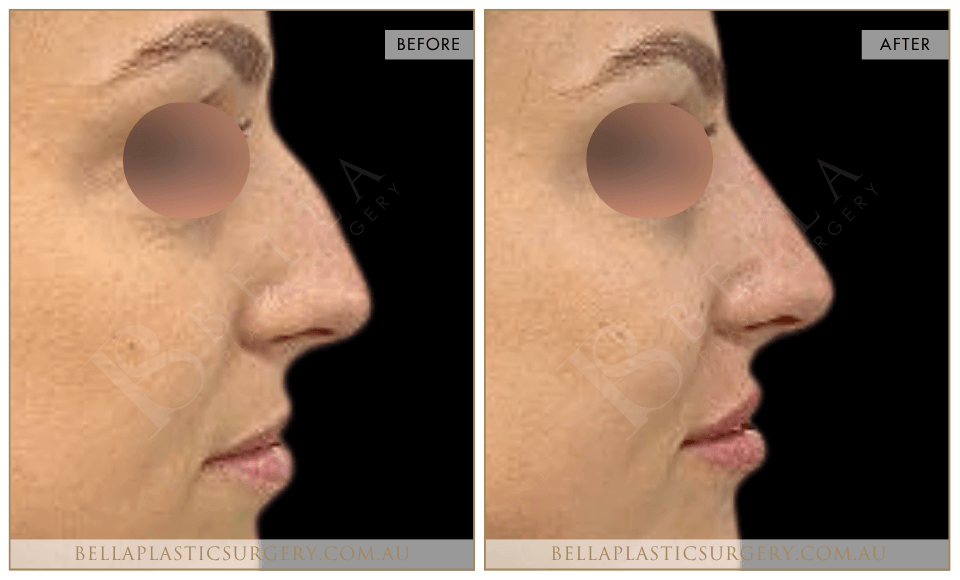
The Non-Surgical Rhinoplasty Procedure
To address these issues, our cosmetic nurses administer a thick volumising product via a fine needle to specific areas of the nose. This can be used to conceal a hump, address asymmetry, or create the illusion of a tip at the end of the nose. The product is made from a synthetic material that mimics a naturally occurring sugar found in the body. Usually, more than one area of the nose is targeted to achieve balance.
- Treatment Time & Results: Treatment usually takes under 30 minutes, depending on your assessment and treatment requirements. Results are instant and typically, only one treatment is required.
- Comfort: Most people tolerate Non-Surgical Rhinoplasty well. To alleviate any discomfort, we apply a topical anaesthetic to the area for approximately 30 to 60 minutes before treatment. We also use ice to help constrict blood vessels (minimising the risk of swelling and bruising) and to further numb the area.
- Recovery: It’s common to experience redness, tenderness, bruising and swelling in the treated area immediately after treatment. These symptoms usually subside within a couple of days, although occasionally, they may continue for approximately one week or longer, depending on individual healing.
On-Site Surgeon
The nose has a complex blood supply, so Non-Surgical Rhinoplasty is considered a higher-risk procedure. To help ensure patient safety, the procedure is only performed when Plastic and Reconstructive Surgeon Dr Eddy Dona is on-site. We maintain strict protocols to manage potential complications, including transfer to a local emergency department if required.
Will It Make My Nose Bigger?
Many people ask if Non-Surgical Rhinoplasty will make the nose appear bigger. This is not the case. We use techniques to administer the product in a way that alters the overall balance of the nose, not to increase the size. By addressing the bridge and the tip of the nose, it can appear less prominent and more refined, not larger.
Be Thoroughly Informed
As Non-Surgical Rhinoplasty carries particular risks (outlined on this page), all patients must be fully informed before proceeding. Before treatment, patients must have a thorough consultation during which all risks, benefits and alternatives are discussed with both their treating cosmetic nurse and prescribing doctor.
Potential Side-Effects
All non-surgical treatments, including Non-Surgical Rhinoplasty, carry potential risks. Most individuals don’t experience serious complications. However, common side effects can include bruising, itchiness, bleeding or haematoma, skin redness, swelling, temporary numbness and tenderness in the treated area. These effects can start soon after treatment and typically settle over time.
Less common effects include abscess formation, granulomas, firmness or nodules under the skin, infection, changes in skin colour or a general feeling of weakness in the treated area.
Rare but serious side effects can occur due to the location of blood vessels within the nose. In extremely rare cases, if a volumising product is unintentionally administered into a blood vessel, it can result in temporary or permanent visual impairment, blindness, stroke, damage to the underlying structures or skin necrosis. Rare neurological complications are also possible.
While these serious side effects are rare, patients must understand that some severe complications, particularly those affecting neurological function or vision, may not be reversible. For more detailed information, please refer to the Possible Risks and Complications page.
